As Canada races toward its ambitious net-zero emissions target by 2050, the country faces a growing challenge: how to generate reliable, low-carbon electricity while meeting rapidly increasing demand. Small Modular Reactors (SMRs)—a new generation of compact nuclear power technology—are emerging as a potential game-changer. Could SMRs provide the clean, dependable energy backbone Canada needs to reach net-zero? Here’s a detailed look at the promise, potential, and pitfalls of this evolving technology.
Inside Canada 2035 Clean Electricity Target: What It Means for Provinces and Consumers
Understanding Small Modular Reactors: A New Era of Nuclear Power
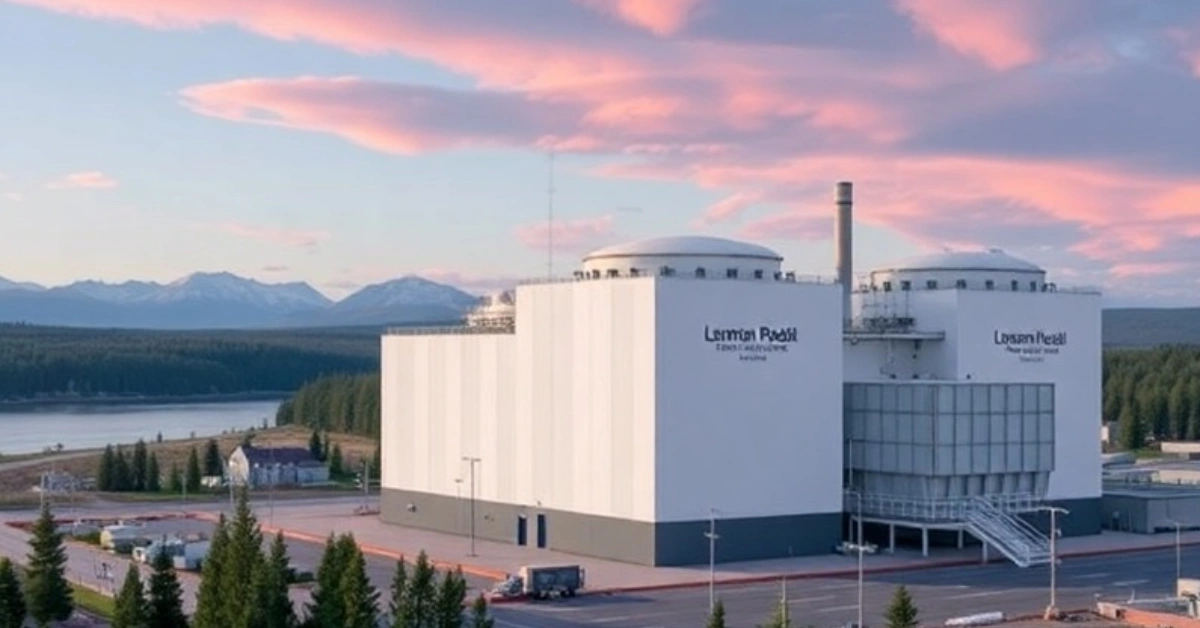
Small Modular Reactors are advanced nuclear reactors designed to be built in factories and transported to sites for installation. Unlike traditional large-scale reactors, SMRs are:
- Smaller in size: Typically producing 50–300 megawatts of electricity, compared with 600–1,200 MW for conventional plants.
- Modular: Components are prefabricated and assembled on-site, reducing construction time and costs.
- Flexible: Can be deployed as single units or scaled up by adding modules as energy demand grows.
SMRs are engineered with passive safety features, meaning they can shut down safely without human intervention or external power, addressing many of the public concerns about nuclear energy.
Why Canada Is Betting on SMRs for Net-Zero
Canada’s federal government has identified SMRs as a critical tool for decarbonizing its electricity grid and industrial sectors. The country’s 2035 Clean Electricity target and 2050 net-zero goal require vast amounts of non-emitting power. SMRs can complement renewable energy in several ways:
- Reliable baseload power to balance intermittent sources like wind and solar.
- Potential to replace coal and natural gas plants in provinces still dependent on fossil fuels.
- Ability to decarbonize heavy industry, including mining and oil sands operations.
- Provide off-grid clean energy for remote and Indigenous communities where large reactors or grid connections are not feasible.
Canada’s SMR Roadmap and Action Plan
Canada is among the world leaders in developing an SMR strategy. Key milestones include:
- 2018 Canadian SMR Roadmap: Developed in partnership with provinces, utilities, and industry, outlining the potential for SMRs in electricity generation and industrial use.
- 2020 SMR Action Plan: A federal blueprint detailing regulatory support, R&D funding, and collaboration with Indigenous and international partners.
- Federal and provincial funding: Ottawa and provinces such as Ontario, Saskatchewan, and New Brunswick have committed hundreds of millions to SMR research and early deployment.
Provincial Leaders and Key Projects
Ontario: The First Grid-Scale SMR
Ontario Power Generation (OPG) is leading Canada’s most advanced SMR project at Darlington Nuclear Station, with plans to build a 300-MW GE Hitachi BWRX-300 reactor by the early 2030s. This would be the first commercial grid-scale SMR in North America.
Saskatchewan: Powering a Coal Transition
SaskPower is exploring SMRs as a replacement for retiring coal plants, aiming to deploy units in the early 2030s to meet federal clean electricity regulations.
New Brunswick: Advanced Designs and Exports
NB Power and its partners are developing two advanced SMR designs—ARC-100 and Moltex Energy’s Stable Salt Reactor—positioning the province as a potential exporter of next-generation nuclear technology.
Alberta and the North: Remote and Industrial Applications
SMRs could provide off-grid power to northern mines and oilsands operations, reducing reliance on diesel generators and cutting emissions in remote regions.
Economic Opportunities and Job Creation
SMR development could become a major driver of economic growth:
- High-value jobs in engineering, manufacturing, and construction.
- Potential to create a domestic supply chain for reactor components and nuclear fuels.
- Export opportunities for Canadian SMR technology to countries pursuing clean energy transitions.
Industry estimates suggest Canada’s SMR market could be worth tens of billions of dollars by 2050, both domestically and in global exports.
Environmental and Climate Benefits
If successfully deployed, SMRs could provide:
- Consistent, low-carbon electricity, reducing greenhouse gas emissions by displacing fossil fuels.
- A stable complement to renewable energy sources, ensuring grid reliability even when the sun isn’t shining or the wind isn’t blowing.
- Decarbonization of energy-intensive sectors such as steelmaking, hydrogen production, and petrochemical processing.
Challenges and Concerns
Despite their promise, SMRs face significant obstacles:
- High upfront costs: While smaller than traditional reactors, SMRs remain capital-intensive compared with renewables like wind and solar.
- Nuclear waste management: Canada must ensure long-term solutions for storing spent fuel.
- Regulatory hurdles: Canada’s nuclear regulator, the Canadian Nuclear Safety Commission (CNSC), must develop robust frameworks to license new reactor types safely.
- Public perception and safety concerns: Past nuclear accidents worldwide still influence public opinion and acceptance.
Comparing SMRs to Other Clean Energy Sources
While wind, solar, and hydro remain cheaper per megawatt-hour, they are variable and require storage or backup power. SMRs can provide 24/7 baseload power and integrate with renewables to stabilize the grid.
Experts suggest SMRs are not a replacement for renewables but a complementary technology, ensuring reliability as Canada’s electricity demand doubles or triples by mid-century.
Global Momentum: Canada’s Place in the World SMR Race
Countries including the United States, United Kingdom, China, and Russia are advancing their own SMR projects. Canada’s early policy support and robust nuclear sector give it a competitive advantage. Collaborations with international partners, such as the Canada–U.S. Regulatory Cooperation, help streamline technology development and global deployment.
The Path Forward: Policy and Innovation Needed
To fully realize the potential of SMRs, Canada must:
- Maintain long-term funding for R&D and pilot projects.
- Streamline regulatory processes while ensuring rigorous safety standards.
- Engage Indigenous and local communities early in planning to build trust and partnerships.
- Invest in nuclear workforce training to ensure a skilled labor pool for construction and operations.
What SMRs Could Mean for Canada’s Net-Zero Future
By the 2030s and beyond, SMRs could:
- Supply clean, reliable baseload power to provinces transitioning off coal and natural gas.
- Enable large-scale hydrogen production for export and domestic use.
- Provide energy solutions for remote regions, reducing reliance on diesel and cutting local pollution.
- Strengthen Canada’s reputation as a global leader in clean nuclear innovation.
Small Modular Reactors are not a silver bullet, but they could be a powerful ally in Canada’s fight against climate change. By pairing SMRs with renewables, Canada can build a resilient, low-carbon electricity grid and reduce emissions in hard-to-decarbonize sectors. With continued investment, clear regulations, and public engagement, SMRs may play a pivotal role in helping Canada meet its 2050 net-zero target while creating jobs, boosting innovation, and positioning the nation as a leader in next-generation nuclear technology.