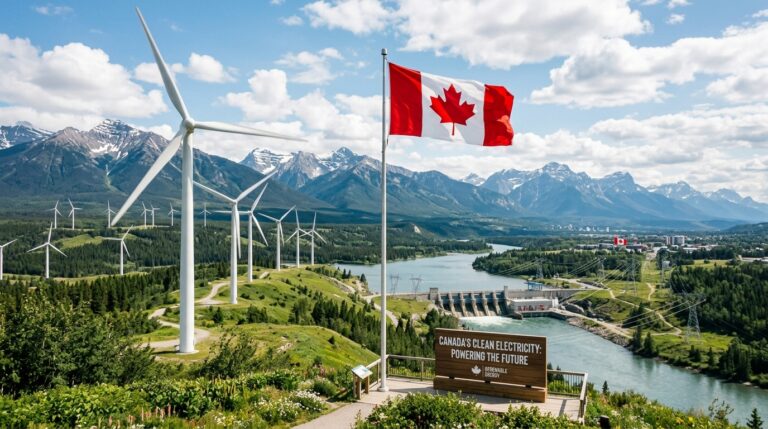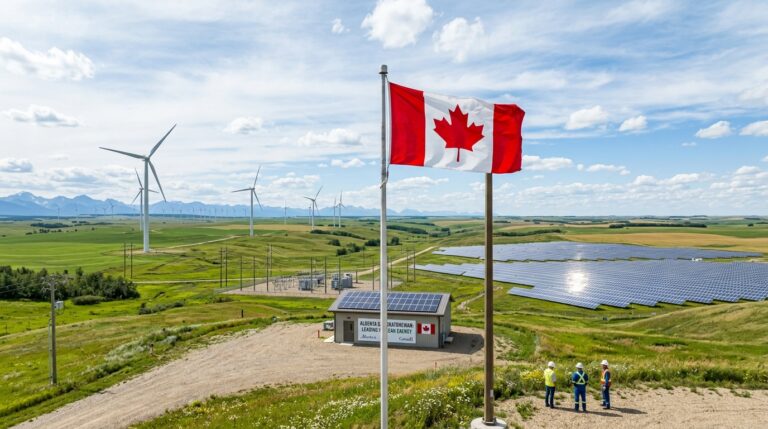
Canada’s economy delivered an unexpected boost in April, posting its strongest monthly growth in nearly a year as the Canadian energy sector continued to outperform almost every other industry. While many Canadians remain concerned about tariffs, manufacturing, and trade uncertainty, the latest economic data suggests that Canadian energy is carrying the economy at a time when several traditional industries continue to face significant pressure.
The latest Canadian GDP report has sparked fresh discussions among economists about the country’s economic direction. Although Canada’s economy expanded more than expected, experts caution that the growth story is becoming increasingly dependent on oil, natural gas, pipeline transportation, and energy exports, while manufacturing continues to struggle under ongoing U.S. tariffs.
As businesses closely monitor Canadian GDP, Canadian energy, manufacturing, tariffs, the Bank of Canada, and Canada’s economic outlook, economists believe the country’s next challenge will be building broader economic growth beyond the booming energy industry.
Canadian Economy Records Strongest GDP Growth in Nearly One Year
Statistics Canada reported that Canada’s real Gross Domestic Product (GDP) increased by 0.5% in April, representing the strongest monthly expansion since July 2025.
The better-than-expected performance surprised many economists who had anticipated slower growth following months of economic uncertainty.
Several industries contributed to the stronger GDP report, including:
- Canadian energy production
- Oil and gas extraction
- Pipeline transportation
- Refined petroleum manufacturing
- Construction activity
- Retail trade
- Housing-related industries
- Transportation services
- Public sector spending
Together, these sectors helped Canada’s economy outperform forecasts and ease concerns that the country was slipping toward recession.
However, economists stress that one industry clearly stood above all others.
Canadian Energy Is Carrying Canada’s Economy
According to economists, Canadian energy accounted for more than half of Canada’s monthly economic growth.
Oil sands production, conventional oil extraction, natural gas production, pipeline transportation, and petroleum refining all recorded strong gains during April.
The Canadian energy sector has steadily strengthened throughout 2026 as global demand for Canadian oil continues rising.
One major reason behind the surge is the expanded capacity of the Trans Mountain pipeline.
With additional pipeline space now available, Canadian producers have been able to move significantly more oil to international markets.
This increased transportation capacity has improved export opportunities while helping Canadian energy companies generate stronger revenues.
Economists say Canadian energy has become the country’s biggest economic engine at a time when several manufacturing industries remain under pressure.
Higher Oil Prices Continue Supporting Canadian Energy
Another important factor driving Canada’s economy has been stronger oil prices.
Western Canadian Select, Canada’s primary heavy crude benchmark, has traded significantly higher than it did at the beginning of the year.
Despite global oil prices softening during parts of the spring, Canadian producers have continued benefiting from favorable pricing.
The weaker Canadian dollar has also provided another advantage.
Since most Canadian oil exports are sold in U.S. dollars, producers receive more Canadian dollars when converting those revenues.
This combination of:
- Higher Canadian energy demand
- Strong export volumes
- Improved pipeline capacity
- Favorable exchange rates
has made Canadian energy one of the strongest-performing sectors in the national economy.
Industry experts believe producers remain eager to increase production whenever transportation capacity allows.
Manufacturing Remains Canada’s Biggest Economic Challenge
While Canadian energy continues driving GDP growth, manufacturing remains the weakest part of Canada’s economy.
Economists say ongoing U.S. tariffs continue creating uncertainty for manufacturers across the country.
Steel, aluminum, and copper tariffs remain significant obstacles for Canadian businesses that depend on cross-border trade.
Many manufacturing communities continue facing slower production, weaker investment, and uncertainty surrounding future export opportunities.
Although businesses have gradually adjusted to higher tariff costs, economists do not expect these trade barriers to disappear anytime soon.
The upcoming review of the Canada-United States-Mexico Agreement (CUSMA) is unlikely to produce immediate changes, according to several economic analysts.
Instead, manufacturers may need to continue operating under existing tariff conditions for the foreseeable future.
Tariffs Continue to Pressure Canadian Factories
Tariffs remain one of the largest concerns for Canada’s manufacturing sector.
Factories that produce automobiles, industrial equipment, metals, and construction materials continue facing higher costs when exporting products to the United States.
Although Canadian businesses have become more accustomed to operating under these conditions, tariffs continue reducing competitiveness for many manufacturers.
Some economists believe businesses have already priced these higher costs into their long-term planning.
That means another delay in trade negotiations may not create the same economic shock experienced during earlier tariff announcements.
Still, manufacturing investment remains relatively weak compared to Canada’s growing energy industry.
Is Canada in a Recession?
Despite months of slow economic growth, many economists reject the idea that Canada is currently experiencing a recession.
Earlier periods of weak GDP were largely attributed to inventory adjustments rather than broad declines across the economy.
Economic growth has remained relatively flat over the past several quarters, but experts note that previous Canadian recessions typically involved much deeper declines across multiple industries.
Instead of a recession, many economists describe Canada’s current situation as a period of modest or stagnant economic growth.
While this is far from ideal, it differs significantly from the sharp economic contractions seen during previous downturns.
Nevertheless, economists caution against becoming overly optimistic.
Canada still faces challenges related to business investment, manufacturing, productivity, housing affordability, and international trade.
Canada’s Economy Is Becoming Less Dependent on the United States
One of the more encouraging developments involves Canada’s expanding trade relationships outside the United States.
Economists say Canadian exports to non-U.S. markets have increased dramatically since 2024.
The value of exports to international markets has reportedly risen by nearly 50 percent over the past two years.
This diversification helps reduce Canada’s dependence on a single trading partner.
New export opportunities have emerged across Europe, Asia, and other international markets as Canadian businesses seek alternative customers.
Large infrastructure investments are also supporting this transition.
Projects involving:
- New export terminals
- Pipeline expansions
- Port developments
- Transportation infrastructure
are expected to improve Canada’s ability to sell products around the world.
Although these investments require years to complete, economists believe they represent an important long-term strategy for strengthening Canada’s economy.
Business Investment Remains Critical
Despite positive GDP growth, economists emphasize that stronger business investment will ultimately determine Canada’s long-term success.
Private companies remain cautious about expanding operations due to uncertainty surrounding global trade, tariffs, and future economic conditions.
Greater investment in manufacturing, technology, clean energy, infrastructure, and innovation could help diversify Canada’s economy beyond oil and gas.
Without stronger private investment, economists warn that Canada may continue relying too heavily on the energy sector whenever other industries slow down.
Bank of Canada Expected to Keep Interest Rates Steady
The stronger GDP report has also renewed discussions about future Bank of Canada interest rate decisions.
Some financial markets previously anticipated several rate hikes during 2026.
However, economists now believe those expectations were overly aggressive.
Inflation has remained relatively subdued, with recent core inflation measures staying below the Bank of Canada’s two percent target.
Without stronger inflationary pressures, there appears to be little urgency for additional interest rate increases this year.
Instead, economists expect the Bank of Canada to maintain its current policy stance through the remainder of 2026.
If interest rates eventually move higher, many analysts believe that decision is more likely to occur during 2027 rather than in the coming months.
Canadian Energy Will Remain the Growth Leader
Looking ahead, Canadian energy is expected to remain the country’s strongest economic performer.
Global demand for Canadian oil and natural gas continues supporting production, while expanded pipeline capacity allows more exports to reach international buyers.
At the same time, manufacturing will likely remain under pressure until trade uncertainty eases and tariff issues are resolved.
Construction, housing, retail trade, and transportation should continue providing additional support for Canada’s economy, but economists agree that the country’s long-term prosperity cannot depend entirely on one industry.
Outlook for Canada’s Economy
Canada enters the second half of 2026 with mixed economic signals.
The strongest monthly GDP growth in nearly a year demonstrates that the economy continues expanding despite global uncertainty. Canadian energy has become the primary engine of growth, supported by rising exports, stronger oil prices, improved pipeline capacity, and favorable currency conditions.
However, manufacturing remains a significant concern as tariffs continue weighing on factories and investment decisions. Economists believe Canada’s future economic success will depend on expanding exports beyond the United States, encouraging greater business investment, completing major infrastructure projects, and reducing reliance on any single sector.
For now, Canadian energy continues carrying the economy, but experts say achieving broader and more balanced growth across manufacturing, technology, construction, and international trade will be essential for ensuring Canada’s economic resilience in the years ahead.