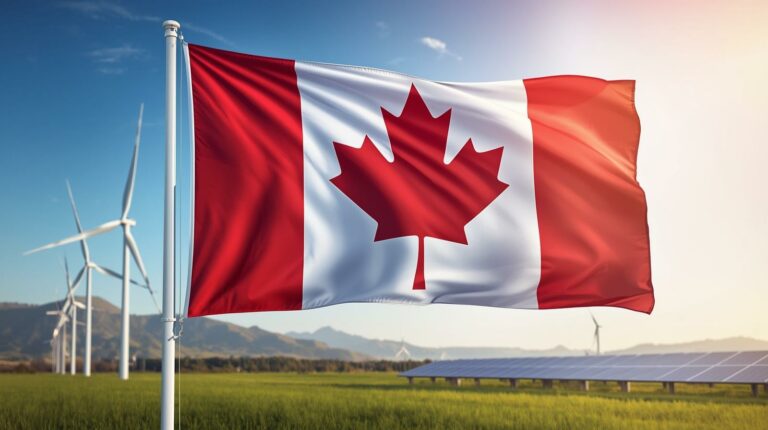
Canada has set an ambitious course toward a net-zero emissions economy by 2050, and clean fuels—particularly biofuels and hydrogen—are expected to play a central role in transforming the energy mix. With growing investment in renewable technologies, government incentives, and rising global demand for low-carbon energy, these fuels could not only reduce Canada’s greenhouse gas emissions but also position the country as a leading exporter in the clean energy transition.
Here’s how biofuels and hydrogen are expected to shape Canada’s energy future by mid-century.
Canada’s Energy Transition Goals: Why Clean Fuels Matter
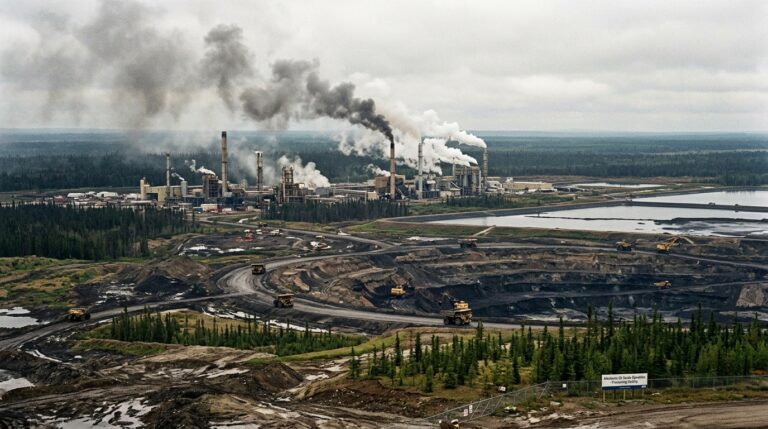
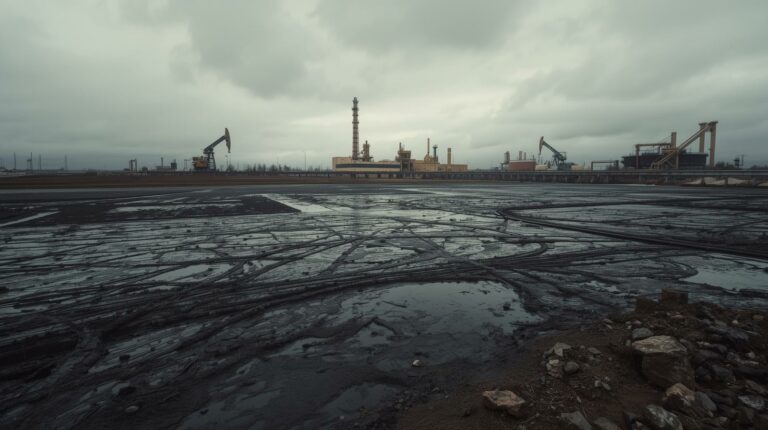
Canada’s current energy system is still heavily reliant on fossil fuels. Oil and gas remain major contributors to both the economy and greenhouse gas emissions, accounting for about 25% of Canada’s total emissions.
To reach net-zero by 2050, Canada must:
- Decarbonize electricity and transportation.
- Transition away from fossil fuels in industrial production.
- Develop scalable alternatives for sectors that cannot easily electrify, such as aviation, shipping, and heavy manufacturing.
This is where clean fuels—particularly biofuels and hydrogen—come into play.
Biofuels: Decarbonizing Transportation and Industry
What Are Biofuels?
Biofuels are renewable fuels made from biomass sources, such as agricultural crops, forestry residues, municipal waste, and even algae. The main categories include:
- Ethanol (blended into gasoline).
- Biodiesel (made from vegetable oils or animal fats).
- Renewable diesel and jet fuel (chemically similar to fossil fuels but derived from biomass).
Biofuels in Canada’s Current Energy Mix
- Canada already blends ethanol into gasoline (5–10%) and biodiesel into diesel fuel (2–4%).
- The Clean Fuel Regulations (CFR), introduced in 2023, are driving demand by requiring gradual reductions in the carbon intensity of fuels.
Future Role by 2050
By mid-century, biofuels are expected to:
- Power aviation and shipping, sectors where electrification is difficult.
- Supply renewable jet fuels (SAF – sustainable aviation fuel), critical for airlines seeking to cut emissions.
- Reduce reliance on imported petroleum by producing biofuels domestically from Canadian forestry and agricultural residues.
- Support the circular economy by converting waste into fuel.
According to Natural Resources Canada, biofuels could supply 15–20% of liquid fuel demand by 2050, helping to cut millions of tonnes of CO₂ emissions annually.
Hydrogen: Canada’s Emerging Clean Fuel Giant
What Is Hydrogen Fuel?
Hydrogen is a versatile energy carrier that can be produced in multiple ways:
- Grey hydrogen: from natural gas, without capturing emissions.
- Blue hydrogen: from natural gas with carbon capture and storage (CCS).
- Green hydrogen: produced using renewable electricity (wind, solar, hydro) to split water molecules.
Canada’s Hydrogen Strategy
Canada launched its Hydrogen Strategy in 2020, setting a vision to become a global supplier and user of clean hydrogen. By 2050, hydrogen could:
- Provide up to 30% of Canada’s end-use energy.
- Reduce national greenhouse gas emissions by up to 190 megatonnes annually.
- Create 350,000 jobs in the hydrogen economy.
Future Role by 2050
Hydrogen could transform Canada’s energy system by:
- Decarbonizing heavy transport (long-haul trucks, trains, ships).
- Serving as a clean industrial feedstock for steelmaking, refining, and chemical production.
- Acting as a seasonal energy storage medium, balancing renewable power supply across provinces.
- Enabling clean fuel exports to Europe and Asia, where demand for green hydrogen is expected to skyrocket.
Provincial Contributions to the Clean Fuel Economy
Canada’s diverse geography means provinces will specialize in different clean fuel strategies:
- Alberta & Saskatchewan: Leading in blue hydrogen production, using natural gas with carbon capture.
- British Columbia: Investing in hydrogen fuel cell vehicles and biofuel production from forestry residues.
- Quebec: Leveraging abundant hydroelectricity for green hydrogen production.
- Ontario: Advancing biofuel blending in transportation and industrial decarbonization projects.
- Atlantic Canada: Exploring wind-to-hydrogen projects for export to Europe.
This regional specialization will allow Canada to build a diversified clean fuel economy.
Economic and Environmental Benefits
Economic Growth
- Clean fuels could contribute tens of billions of dollars annually to Canada’s economy by 2050.
- Development of export markets (particularly hydrogen) would strengthen trade ties with the U.S., Europe, and Asia.
- Job creation in biofuel refining, hydrogen production, carbon capture, and infrastructure construction.
Environmental Gains
- Significant reduction in emissions from hard-to-electrify sectors.
- Improved air quality through lower particulate and sulfur emissions.
- Progress toward Canada’s net-zero emissions target and Paris Agreement commitments.
Challenges to Overcome
While the promise is clear, Canada must address key challenges to unlock the full potential of clean fuels:
- Cost Competitiveness – Biofuels and green hydrogen are currently more expensive than fossil fuels.
- Infrastructure Development – Scaling hydrogen fueling stations, pipelines, and biofuel refineries requires billions in investment.
- Feedstock Availability – Biofuel production must balance with food security and land use.
- Policy Certainty – Long-term regulations and carbon pricing are needed to attract private-sector investment.
- Global Competition – Other countries (e.g., U.S., Germany, Japan) are investing heavily in hydrogen and biofuels.
The Path Forward: Policy, Innovation, and Partnerships
To reach net-zero by 2050 with clean fuels at the center, Canada must:
- Expand Clean Fuel Regulations to accelerate adoption.
- Invest in research and development to cut costs of green hydrogen and advanced biofuels.
- Build public-private partnerships to scale infrastructure.
- Strengthen international trade agreements for hydrogen and sustainable fuels.
- Ensure sustainable feedstock sourcing for biofuels to avoid negative land-use impacts.
By 2050, biofuels and hydrogen will be far more than niche energy options—they will be cornerstones of Canada’s energy mix. Together, they can decarbonize transportation, industry, and electricity while fueling new economic opportunities at home and abroad.
If Canada can overcome cost and infrastructure barriers, it will not only meet its net-zero target but also emerge as a global clean fuel leader, proving that a low-carbon economy can be both sustainable and prosperous.