Canada’s climate and energy policy has taken a dramatic new direction after Prime Minister Mark Carney acknowledged for the first time that Canada’s emissions targets will not be achieved under current conditions. Speaking in his second Forward Guidance video address, Mark Carney conceded that greenhouse gas emissions will be higher over the next several years than projected under the previous Liberal government’s climate roadmap.
The announcement marks one of the biggest shifts in Canadian climate policy since Carney became prime minister. While reaffirming his commitment to lowering emissions over the long term, Mark Carney made it clear that economic growth, energy security, affordability, and expanding Canada’s role as an energy superpower are now taking priority.
The comments immediately sparked debate across Canada, with supporters praising Carney’s more pragmatic energy strategy while critics questioned whether abandoning previous emissions targets could undermine Canada’s climate commitments.
Mark Carney Says Canada’s Emissions Targets Were No Longer Realistic
During the 17-minute Forward Guidance address, Mark Carney openly admitted that Canada’s existing emissions targets would not be met.
Unlike previous statements from federal ministers, this was the first direct acknowledgment from the prime minister that the country’s greenhouse gas emissions will likely rise in the near future instead of following the trajectory outlined under former Prime Minister Justin Trudeau.
According to Carney, the emissions plan inherited from the previous government was no longer sustainable.
He argued that the previous climate strategy would have imposed excessive costs on Canadians already struggling with affordability challenges while also increasing political divisions across the country.
Although Carney praised Justin Trudeau’s climate agenda as “well-intentioned,” he stressed that global economic and geopolitical realities have changed significantly since those policies were first introduced.
Canada’s Original Emissions Targets Under Trudeau
Canada’s climate commitments were significantly expanded during Justin Trudeau’s time in office.
After first promising to reduce greenhouse gas emissions by 30 percent below 2005 levels by 2030, the Liberal government later strengthened that commitment by targeting a 40 to 45 percent reduction before the end of the decade.
Those emissions targets formed the foundation of Canada’s climate strategy for years.
However, since taking office, Mark Carney has gradually moved away from several major Trudeau-era climate policies.
His latest comments suggest that while emissions reductions remain an objective, achieving the original targets by 2030 is no longer considered realistic.
Mark Carney Replaces Climate Targets With New Energy Plan
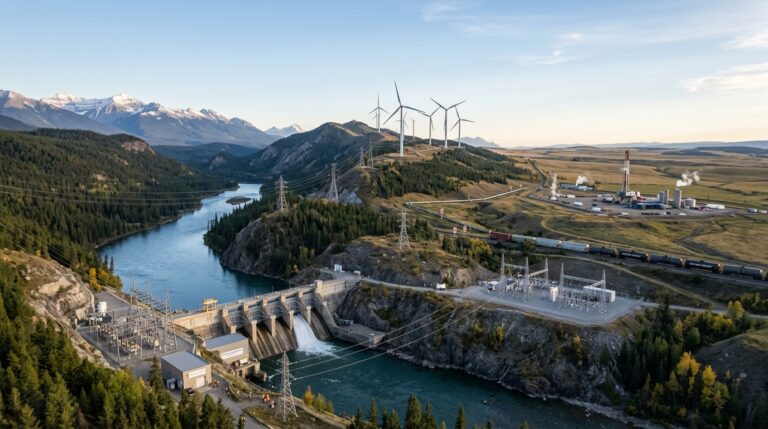
Instead of focusing exclusively on emissions reductions, Mark Carney is promoting an ambitious national energy strategy designed to strengthen Canada’s economy while gradually lowering emissions over time.
The new energy plan centers on several major priorities.
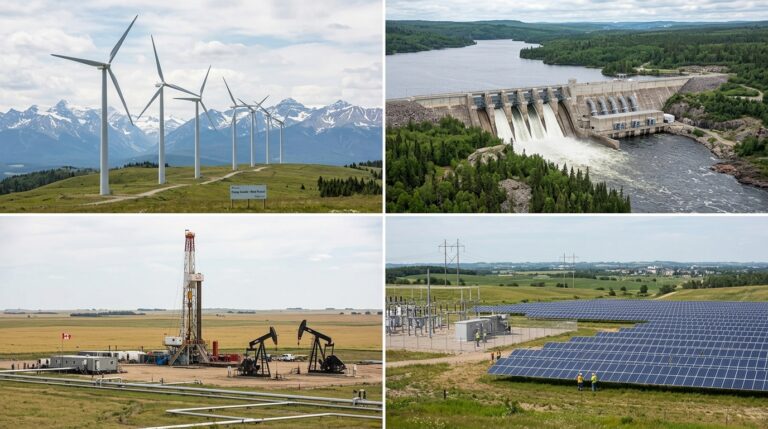
First, Canada intends to significantly expand oil and natural gas production while emphasizing responsible development.
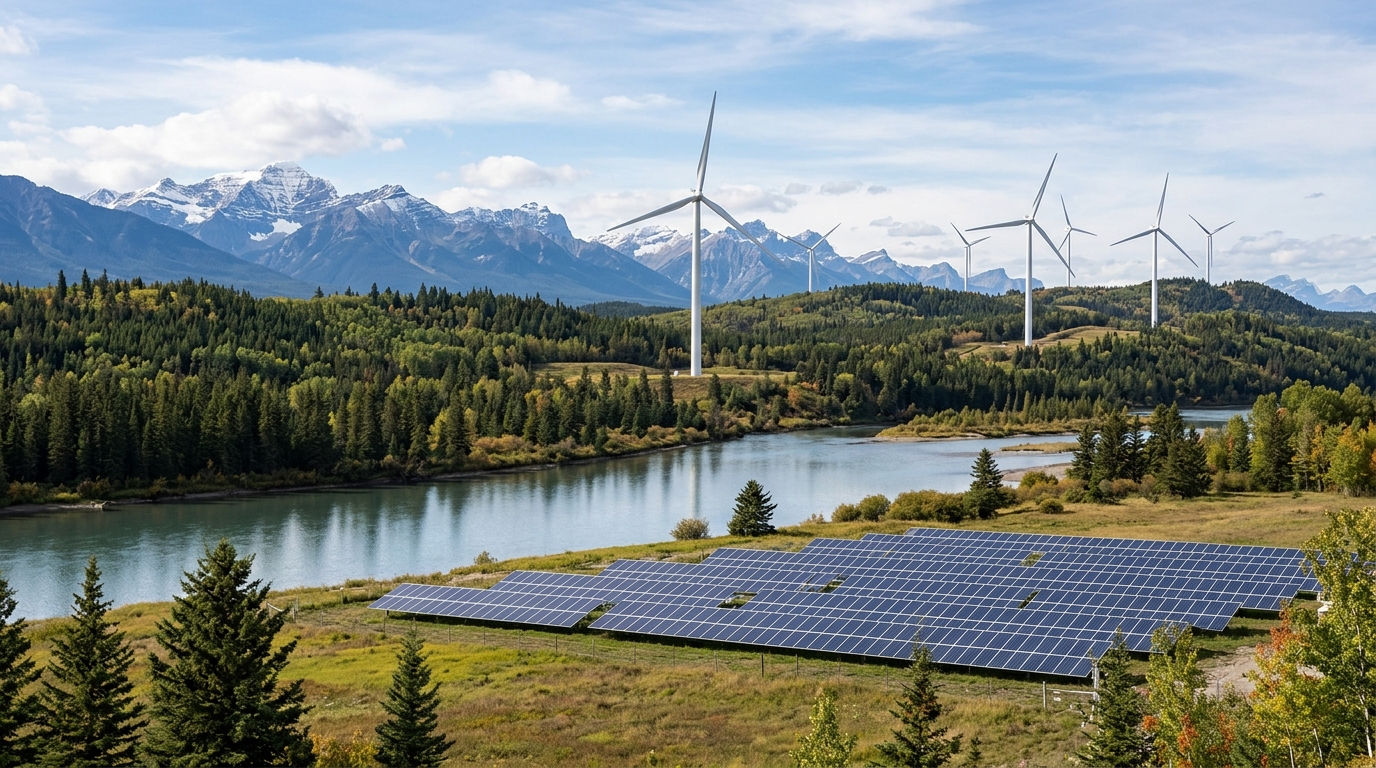
Second, the government plans to dramatically increase electricity generation through clean energy investments.
Third, Canada hopes to become a larger supplier of energy to international markets, particularly Asia.
Finally, the federal government wants to modernize national infrastructure by expanding pipelines, transmission networks, and electricity systems.
According to Mark Carney, these investments will help Canada become both an energy superpower and a leader in clean electricity.
Conventional Energy Remains a Key Part of Canada’s Future
One of the strongest messages in Carney’s address was his support for Canada’s conventional energy sector.
He argued that as much conventional energy as possible should come from Canada when produced responsibly.
The statement signals continued federal support for Canada’s oil and gas industry despite growing international pressure to accelerate the transition toward renewable energy.
Carney noted that Canada currently produces more oil than at any point in its history.
Only the United States and Russia have increased oil production more than Canada in recent years, highlighting Canada’s growing importance within global energy markets.
Pipelines Become Central to Mark Carney’s Energy Strategy
Pipeline expansion remains one of the biggest components of the government’s energy plan.
Mark Carney praised the completion of the Trans Mountain Pipeline expansion, which has dramatically increased Canada’s ability to export crude oil through British Columbia’s West Coast to Asian markets.
He also highlighted ongoing efforts to develop another pipeline connecting Alberta with international export markets following the memorandum of understanding signed in late 2025.
Supporters argue additional pipeline capacity will reduce Canada’s dependence on the United States while creating thousands of jobs and generating billions in export revenue.
Industry leaders believe stronger access to Asian energy markets could significantly improve Canada’s long-term economic competitiveness.
G7 Energy Security Supports Canada’s Growing Role
Mark Carney also linked Canada’s energy strategy to recent international developments.
During the recent G7 summit, world leaders emphasized the importance of diversifying global energy supplies following growing instability surrounding the Strait of Hormuz.
The conflict involving Iran has renewed concerns about one of the world’s most important oil shipping routes.
As a result, G7 nations acknowledged Canada’s potential to deliver additional energy supplies to global markets in the coming years.
For Carney, this represents an opportunity for Canada to strengthen both its economy and its geopolitical influence.
Canada’s Clean Electricity Expansion Remains a Major Priority
Although oil and gas production remain central to the government’s economic plans, Mark Carney insisted that clean electricity will remain equally important.
One of the most ambitious parts of the new energy plan involves doubling Canada’s electricity grid by 2050.
Achieving that objective would require massive investments in transmission infrastructure, hydroelectric generation, renewable energy projects, nuclear power, and grid modernization.
Carney pointed to the legacy of Sir Adam Beck, the Canadian politician who championed publicly owned hydroelectric power in Ontario during the early twentieth century.
By referencing Beck’s achievements, Carney argued that Canada once transformed its energy future through large-scale infrastructure investments and can do so again.
According to the prime minister, affordable, reliable, and clean electricity will power Canada’s future economy.
Carbon Tax and EV Mandates Continue to Fade
Mark Carney’s latest comments continue a broader shift away from several signature Trudeau climate policies.
Since becoming prime minister, Carney has already eliminated the federal consumer carbon tax.
His government has also paused mandatory federal electric vehicle sales targets while placing greater emphasis on financial incentives instead of regulations.
Business groups have generally welcomed the changes, arguing they provide greater flexibility during a period of economic uncertainty.
Environmental organizations, however, warn that removing key climate policies could make future emissions reductions more difficult.
Alberta Separation Concerns Shape the New Energy Strategy
Another significant part of Mark Carney’s speech focused on national unity.
The prime minister acknowledged longstanding tensions between Western Canada and Ottawa over energy policy.
He reflected on the National Energy Program introduced by former Prime Minister Pierre Elliott Trudeau during the 1980s.
That policy remains deeply controversial in Alberta, where many believe federal intervention unfairly disadvantaged the province’s energy industry.
Carney suggested his government intends to avoid repeating those mistakes.
Instead of creating new regional divisions, he argued that Canada’s energy resources should unite the country while supporting economic growth across every province.
Balancing Economic Growth and Climate Action
The biggest challenge facing Mark Carney may be balancing Canada’s environmental commitments with growing demand for energy development.
His government insists both objectives remain compatible.
Officials argue that increasing clean electricity production, improving industrial efficiency, investing in carbon capture technologies, and encouraging innovation can eventually reduce emissions while allowing Canada’s energy sector to continue expanding.
Whether that balance can be achieved remains one of the biggest political and economic questions facing Canada over the coming decade.
What Mark Carney’s Announcement Means for Canadians
Mark Carney’s admission that Canada will miss its emissions targets represents a significant turning point in federal climate policy.
Rather than measuring success primarily through emissions reductions by 2030, the government is placing greater emphasis on long-term economic resilience, energy security, infrastructure development, and global competitiveness.
The new approach aims to expand oil production, strengthen pipeline capacity, double Canada’s electricity grid, increase exports to international markets, and gradually lower emissions over time instead of pursuing the previous government’s timeline.
As Canada prepares for another year of economic uncertainty, rising global energy demand, and evolving geopolitical challenges, Mark Carney’s energy plan signals that the country is entering a new chapter where affordability, energy independence, and economic growth are expected to take center stage alongside Canada’s long-term climate ambitions.