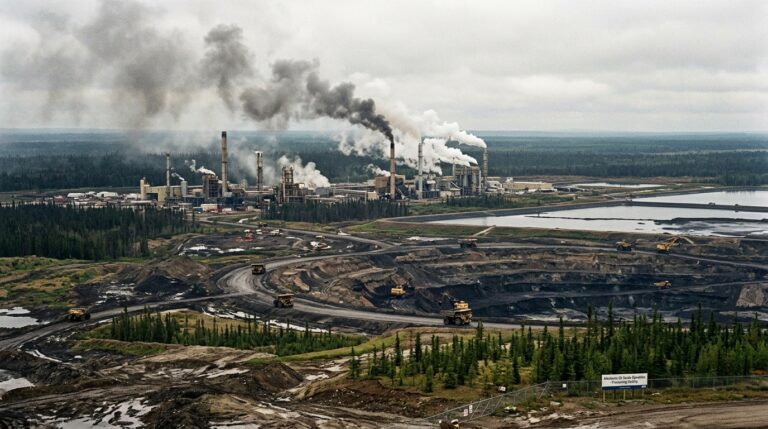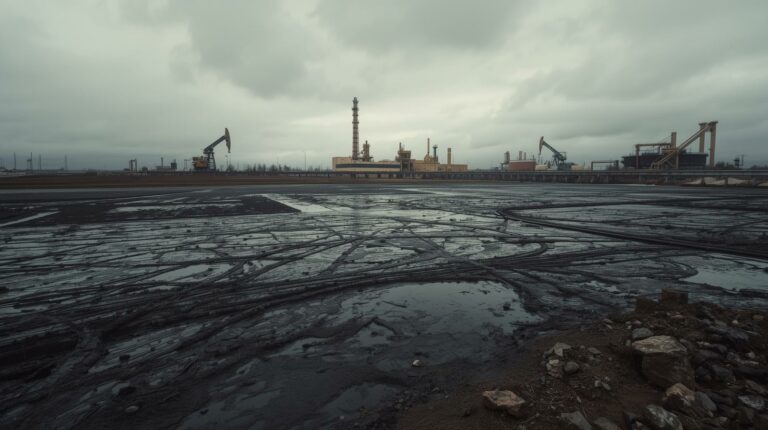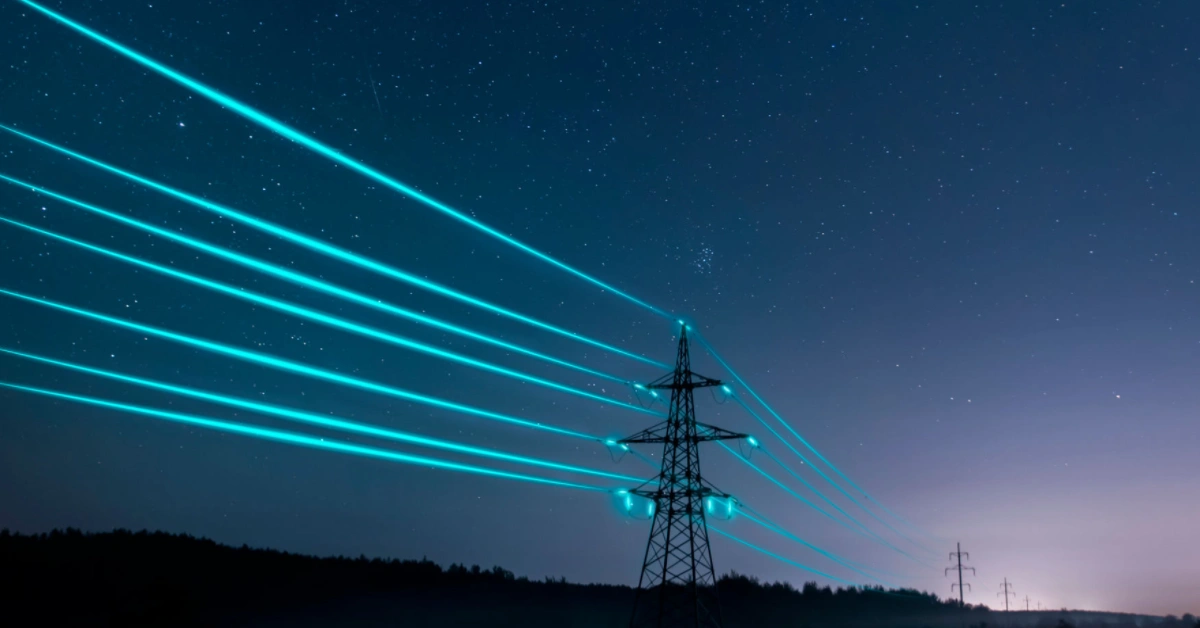
As Canada accelerates its transition to net-zero emissions by 2050, massive expansion of energy infrastructure—renewables, transmission lines, hydroelectric projects, and storage systems—is unavoidable. While clean energy promises lower greenhouse gas emissions and a more sustainable future, scaling up infrastructure carries its own environmental risks, including impacts on land, water, and ecosystems. Understanding these risks is essential to ensure Canada’s energy transition is both sustainable and socially responsible.
This article explores the key environmental challenges of expanding energy infrastructure and the strategies being implemented to mitigate them.
Scaling Carbon Capture in Canada: How CCUS Advances Could Transform Provincial Energy Landscapes
Land Use Impacts: From Wind Farms to Transmission Corridors
Renewable Energy Footprints
- Wind farms require extensive land for turbines, access roads, and substations, which can fragment wildlife habitats.
- Solar farms occupy large tracts of land, potentially displacing agriculture or natural ecosystems if not carefully sited.
Transmission Lines
- High-voltage transmission corridors cut through forests, wetlands, and agricultural land.
- Clearing vegetation and building access roads can disrupt migration patterns, soil stability, and local flora and fauna.
Hydropower Projects
- Large dams and reservoirs flood vast areas, permanently altering landscapes and displacing communities.
- Changes in land use can increase erosion and sedimentation, affecting soil quality downstream.
Water Resource Challenges
Hydroelectric Projects
- Reservoir creation alters river flow, water temperature, and sediment transport, impacting aquatic ecosystems.
- Changes in water quality can affect fish populations and downstream agricultural water users.
Thermal Power and Industrial Plants
- Nuclear, gas, and coal-fired plants require large volumes of cooling water, potentially causing thermal pollution.
- Warm water discharge can disrupt local aquatic life, particularly fish spawning cycles.
Solar and Wind Considerations
- While lower in water intensity, solar panels and wind turbine construction require water for dust suppression and panel cleaning, which can strain local resources in arid regions.
Ecosystem and Biodiversity Risks
Wildlife Disruption
- Wind turbines can cause bird and bat mortality, particularly in migratory corridors.
- Transmission corridors can fragment habitats, making it harder for species to access food and breeding grounds.
Soil and Vegetation Disturbance
- Construction activities disturb soil, increasing erosion and invasive species risk.
- Heavy machinery and roads can compact soil, reducing vegetation growth and altering local ecosystems.
Aquatic Ecosystems
- Dams, reservoirs, and water withdrawals change flow regimes, affecting fish, amphibians, and aquatic invertebrates.
- Run-of-river projects may reduce natural seasonal fluctuations, impacting ecosystem services.
Climate and Carbon Implications
- Large-scale construction releases embodied carbon from concrete, steel, and machinery.
- Improper siting of renewables can destroy carbon-rich ecosystems, such as wetlands and peatlands, offsetting emission reductions.
Social and Community Considerations
- Indigenous and rural communities may experience disruption of traditional lands, hunting, and fishing areas.
- Land acquisition and construction can cause community displacement or reduce access to recreational and cultural spaces.
Strategies to Mitigate Environmental Risks
1. Careful Siting and Planning
- Use geospatial mapping and environmental impact assessments to minimize habitat fragmentation and water impacts.
- Prioritize brownfield and low-conflict sites for solar, wind, and transmission projects.
2. Wildlife and Ecosystem Protection
- Implement turbine shutdowns during migratory seasons to protect birds and bats.
- Create wildlife corridors and buffer zones around transmission lines.
- Restore vegetation post-construction to support ecosystem recovery.
3. Water Management Practices
- Optimize hydroelectric flow regimes to mimic natural cycles and support aquatic life.
- Use low-water-intensity technologies for solar panel cleaning and construction activities.
- Monitor thermal discharges and adjust cooling strategies in industrial plants.
4. Community Engagement
- Collaborate with Indigenous and local communities to identify culturally and ecologically sensitive areas.
- Offer participation in project planning and benefit-sharing agreements.
5. Technological Innovations
- Floating solar reduces land use impacts.
- Underground transmission lines minimize visual and ecological disruption.
- Advanced materials reduce embodied carbon in infrastructure.
Balancing Growth with Sustainability
Scaling up energy infrastructure is necessary to meet Canada’s climate targets, but it must be done with careful consideration of environmental impacts. Key principles include:
- Integrated planning to optimize land, water, and ecological resources.
- Monitoring and adaptive management to ensure long-term ecosystem health.
- Stakeholder engagement to address social and cultural concerns.
- Investment in mitigation technologies to reduce unavoidable impacts.
Canada faces a dual challenge: decarbonizing energy systems while protecting the natural environment and community well-being. Renewable energy, grid expansion, and storage infrastructure must be strategically planned, technologically innovative, and socially inclusive.
By anticipating environmental risks and implementing proactive mitigation strategies, Canada can achieve a clean, reliable, and sustainable energy future—one that safeguards land, water, and ecosystems while powering the country’s transition to net-zero emissions.
Energy growth doesn’t have to come at the planet’s expense; with careful design and stewardship, it can be a win-win for climate, nature, and communities alike.