Canada may feel insulated from the worsening global energy crisis today, but that protection may not last much longer. According to the head of the International Energy Agency, the economic and energy disruptions triggered by the war involving Iran are rapidly intensifying and could soon become a major concern for Canadians in their everyday lives.
During a high-profile discussion in Ottawa with Canada’s federal energy leadership, International Energy Agency Executive Director Fatih Birol warned that the global supply shock now unfolding is already larger than previous oil crises that reshaped the world economy.
The comments come as fears grow over disruptions in the Strait of Hormuz, one of the world’s most critical shipping corridors for oil and liquefied natural gas. At the same time, Canada is facing renewed debate over pipelines, energy exports, clean energy investment, affordability and long-term energy security.
IEA Says Current Energy Shock Is Worse Than Past Oil Crises
Fatih Birol described the current disruption as unprecedented in scale. He compared the ongoing supply losses to the oil shocks of 1973 and 1979, which together removed roughly 10 million barrels of oil per day from global markets.
According to Birol, the current crisis has already removed approximately 14 million barrels per day from global supply chains.
Oil, Gas and Critical Materials All Affected
The crisis is not limited to gasoline or crude oil. The International Energy Agency warned that shortages and supply disruptions are also affecting:
- Natural gas
- Fertilizers
- Petrochemicals
- Helium
- Sulphur
These materials are deeply connected to agriculture, transportation, manufacturing, healthcare and industrial production across the global economy.
Birol cautioned that many consumers may not yet fully understand how dependent modern economies are on these supply chains, but shortages could become increasingly visible in the coming months.
Related: The Hidden Costs of Growth: Environmental Risks in Scaling Up Canada’s Energy Infrastructure
Why the Strait of Hormuz Matters to Canada and the World
The Strait of Hormuz is one of the world’s most strategically important maritime chokepoints. Roughly one-fifth of global oil and liquefied natural gas shipments normally pass through the narrow waterway each day.
Shipping Disruptions Trigger Global Uncertainty
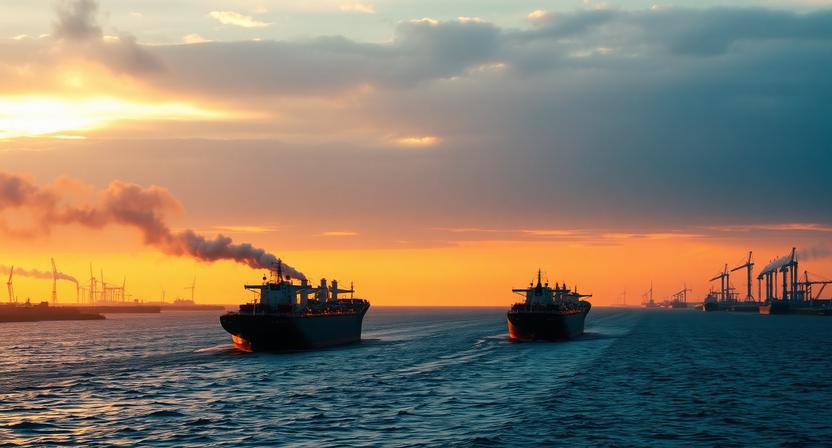
Due to escalating conflict and security threats in the region, oil tankers have faced mounting risks while navigating the Persian Gulf. Disruptions to shipping routes have already caused significant volatility in global energy markets.
Iranian exports have also been constrained by international sanctions and blockades, creating further pressure on worldwide supply.
Experts warn that if Iran cannot continue exporting oil while domestic storage fills up, production shutdowns at some wells may become unavoidable.
That possibility has raised fears of additional price spikes worldwide.
Canada Warns Consumers Could Feel Price Impacts
Federal Energy Minister Tim Hodgson acknowledged that Canada may be in a relatively stronger position than many allies because of its domestic energy production capacity.
However, he also warned that Canadians should still prepare for economic consequences if the international conflict continues.
Fuel Prices and Inflation Concerns Grow
The federal government recently announced a temporary suspension of the federal excise fuel tax in an effort to reduce pressure on households and businesses facing rising fuel costs.
Information on federal fuel charge and energy-related affordability measures is available through the Government of Canada:
Government of Canada Energy Information
Officials say the government continues monitoring international developments and may introduce further affordability measures if conditions worsen.
Higher transportation and fuel costs can quickly spread throughout the economy, affecting:
- Food prices
- Shipping costs
- Airline travel
- Manufacturing
- Home heating
- Consumer goods
Canada’s Energy Security Debate Intensifies
The global crisis has reignited a long-running national debate over how Canada should balance energy exports, domestic affordability and environmental goals.
Oilsands Producers Push for Faster Development
Several major oilsands producers recently argued that Canada is missing an opportunity to strengthen its economic position during a period of heightened global demand for stable energy suppliers.
Industry groups say complicated regulations, investment uncertainty and carbon pricing frameworks have discouraged large-scale energy investment for years.
Canada’s oilsands sector remains one of the country’s largest economic contributors and export industries.
Federal information about Canada’s energy sector and natural resources is available through:
Pipeline Expansion and Export Capacity Remain Central Issues
A major federal-provincial energy agreement announced previously included discussions around expanding oil export infrastructure to the West Coast while also introducing environmental commitments such as methane reductions and industrial carbon pricing.
Supporters argue expanded export capacity could help Canada supply allies struggling with energy shortages.
Critics argue that long-term global trends increasingly favour renewable energy investment over expanded fossil fuel infrastructure.
Climate Groups Call for Faster Clean Energy Transition
Environmental organizations responded to the global crisis by urging Canada to accelerate investment in clean energy technologies rather than expand oil production.
Renewable Energy Seen as Protection Against Future Shocks
Climate advocates argue that dependence on volatile global oil markets leaves economies vulnerable to geopolitical conflict and sudden price spikes.
They say accelerating development of:
- Wind energy
- Solar power
- Electric vehicles
- Battery storage
- Clean electricity grids
could reduce long-term exposure to global fossil fuel disruptions.
The Government of Canada has outlined several clean energy and emissions reduction programs through its climate strategy:
Environmental groups also note that many countries are rapidly investing in alternative energy systems to improve economic resilience and reduce dependence on unstable international suppliers.
Global Economic Slowdown Could Affect Canada
Although Canada is a major energy producer, experts warn the country cannot isolate itself from broader economic fallout.
Weak Global Growth Could Hurt Canadian Exports
Fatih Birol warned that if major economies weaken because of prolonged energy shortages or inflation, demand for Canadian exports could also decline.
Canada relies heavily on international trade and global economic stability. A slowdown among key allies and trading partners could affect:
- Energy exports
- Manufacturing
- Commodity prices
- Employment growth
- Investment activity
The Bank of Canada and federal agencies continue monitoring inflation and international risks tied to energy markets and global conflict.
Economic and financial updates are available through:
Canadians Could Soon Feel the Effects More Directly
While Canada currently remains in a stronger position than many countries due to its natural resource base, experts increasingly warn that global energy disruptions rarely remain isolated for long.
If tensions in the Middle East continue, Canadians could face:
- Higher fuel prices
- Increased inflation
- Supply chain disruptions
- Economic uncertainty
- Rising household costs
The coming months may determine whether the current crisis stabilizes or evolves into a prolonged global economic challenge with lasting impacts on energy markets and consumers around the world.