Remote and Northern communities in Canada face some of the country’s most complex energy challenges. These areas are often isolated from major electricity grids, rely heavily on diesel generators, and experience extreme weather conditions that make energy delivery both expensive and unreliable. As Canada moves toward its net-zero emissions target by 2050, ensuring clean, reliable, and affordable power for these communities is both a social and environmental imperative.
Emerging solutions—microgrids, renewable energy technologies, and advanced battery storage systems—offer promising pathways to transform energy access in these regions while reducing greenhouse gas emissions.
Clean Fuels and Canada Energy Future: How Biofuels and Hydrogen Could Reshape the Energy Mix by 2050
Understanding the Energy Challenges in Remote and Northern Communities
Geographic Isolation
Many Northern communities are hundreds of kilometers from the nearest transmission line. Building traditional grid infrastructure is cost-prohibitive, making local energy generation essential.
High Costs of Diesel Dependence
Currently, most off-grid communities rely on diesel generators:
- Diesel fuel is expensive to transport, often flown in during winter or delivered over temporary ice roads.
- High fuel costs lead to electricity prices 3–5 times higher than urban centers.
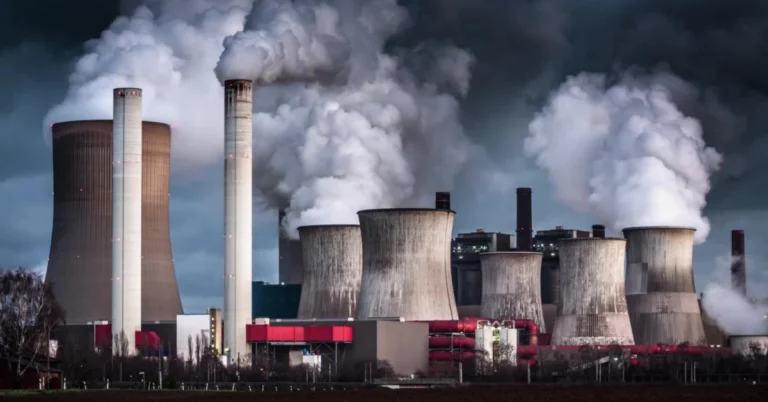
- Diesel combustion contributes to local air pollution and greenhouse gas emissions.
Reliability and Resilience Concerns
Harsh winter temperatures, snowstorms, and flooding can disrupt fuel deliveries and electricity supply, leaving communities vulnerable to outages. Climate change is intensifying these risks.
Microgrids: The Foundation of Local Energy Resilience
What Are Microgrids?
Microgrids are localized energy networks that can operate independently from the main power grid. They integrate multiple energy sources—diesel, renewables, and battery storage—to provide stable, reliable electricity.
Benefits for Remote Communities
- Energy autonomy: Communities can generate power locally without relying on long transmission lines.
- Resilience: Microgrids can operate in island mode during extreme weather or grid disruptions.
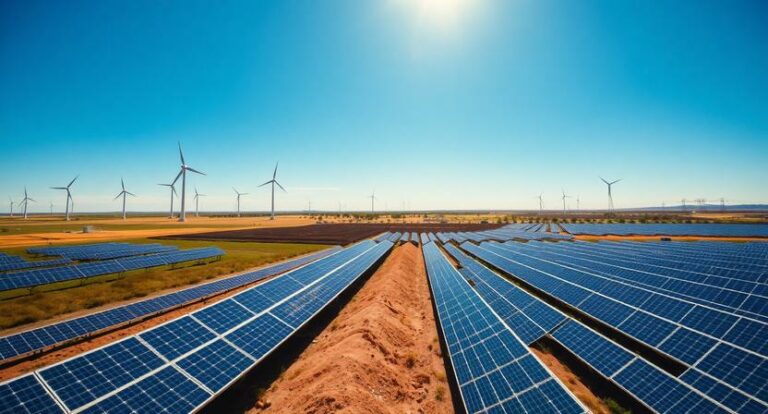
- Integration of renewables: Solar, wind, and small hydro can be incorporated efficiently.
- Lower emissions: Replacing part of diesel generation with clean energy sources reduces carbon footprints.
Real-World Examples
- Isolated Arctic communities in Nunavut are exploring hybrid microgrids combining solar panels and diesel, significantly reducing diesel consumption.
- Sambaa K’e First Nation in Northwest Territories installed a solar-battery microgrid that cuts diesel use by 30–40% annually.
Renewables: Harnessing Local Resources
Solar Power
- Modern photovoltaic panels can operate in cold climates with high efficiency.
- Seasonal storage solutions help mitigate limited sunlight during winter months.
- Panels can be installed on rooftops, community buildings, and local infrastructure.
Wind Energy
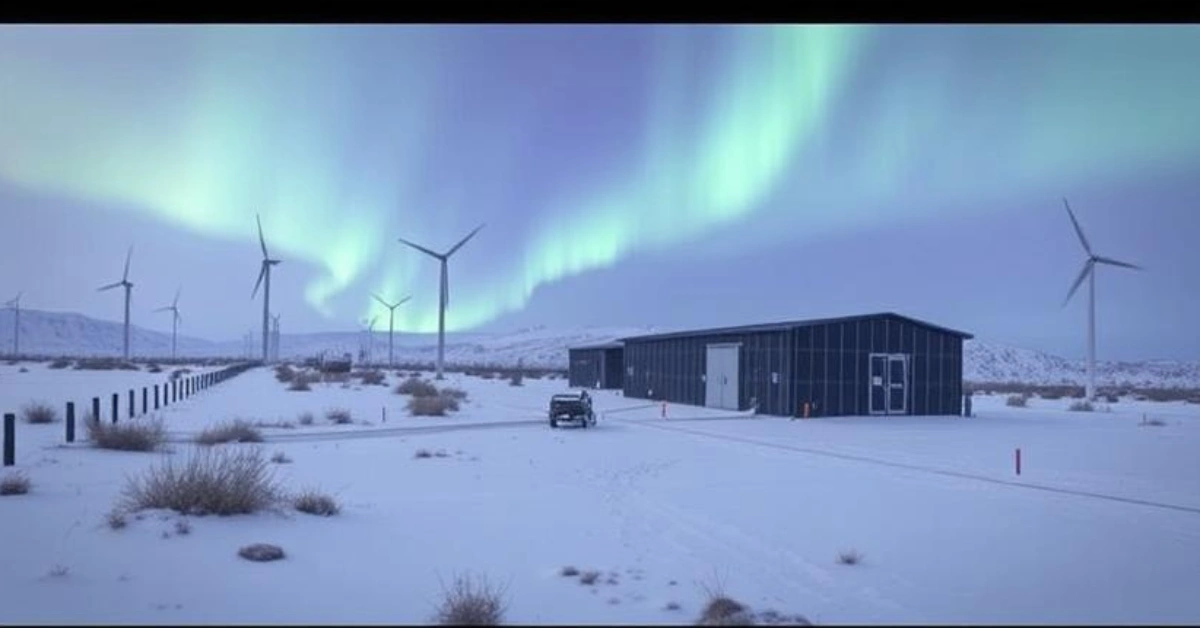
- Many Northern communities experience consistent winds, making small-scale wind turbines viable.
- Hybrid systems can combine wind and solar, providing round-the-clock energy when paired with storage.
Small Hydro
- Northern rivers and streams provide opportunities for micro-hydro systems, offering continuous, low-emission power.
- Micro-hydro can complement solar and wind by supplying baseload energy, especially in regions with abundant water flow.
Battery Storage: Bridging the Gap Between Generation and Demand
Why Storage Is Essential
Renewables like solar and wind are intermittent, producing electricity only when the sun shines or wind blows. Batteries:
- Store excess energy during peak generation periods.
- Release electricity when demand exceeds generation.
- Reduce reliance on diesel generators, cutting both costs and emissions.
Emerging Technologies
- Lithium-ion batteries: Widely used due to high efficiency and scalability.
- Flow batteries: Suitable for long-duration storage and cold climates.
- Hybrid storage systems: Combine multiple battery types with diesel backup to optimize performance.
Economic and Social Benefits
Cost Savings
By reducing diesel dependence, communities can lower electricity costs by 20–50%, freeing up funds for essential services such as healthcare and education.
Environmental Benefits
- Reduced diesel consumption cuts CO₂, NOx, and particulate emissions, improving local air quality.
- Clean energy solutions help Canada meet its national climate targets.
Community Empowerment
- Local energy production creates jobs in installation, operation, and maintenance.
- Communities gain control over energy pricing and supply, fostering resilience and self-sufficiency.
Policy and Investment Opportunities
Federal Support Programs
- Indigenous Off-Diesel Initiative: Funding for clean energy projects in First Nations communities.
- Smart Renewables and Electrification Pathways Program: Supports integrated energy solutions combining renewables and storage.
Private Sector Involvement
- Utilities and startups are developing modular microgrids and renewable systems that can be rapidly deployed in remote areas.
- Collaborative models with communities help ensure projects are culturally appropriate and sustainable.
Long-Term Infrastructure Planning
- Integrating hybrid energy systems into regional planning improves resilience against climate change.
- Investments in training local operators ensure ongoing maintenance and project sustainability.
Challenges to Overcome
Despite the potential, several challenges remain:
- High upfront capital costs for microgrids, renewable installations, and storage systems.
- Technical expertise: Skilled personnel are required to operate complex hybrid systems.
- Climate conditions: Extreme cold, snow accumulation, and permafrost can affect equipment longevity.
- Community engagement: Ensuring local participation and buy-in is essential for success.
Looking Ahead: A Path to Clean, Reliable Northern Energy
By 2050, the combination of microgrids, renewables, and advanced battery storage could completely transform energy access in Canada’s remote and Northern communities:
- Diesel dependence could be drastically reduced, cutting emissions and costs.
- Communities could achieve greater energy autonomy, resilience, and economic development.
- Clean energy could serve as a model for other remote regions worldwide facing similar challenges.
The energy challenges in Canada’s remote and Northern communities are daunting—but they are not insurmountable. Microgrids, renewable energy, and battery storage provide a roadmap for a clean, reliable, and affordable energy future.
By investing in these technologies today, Canada can empower its most isolated communities, reduce carbon emissions, and ensure that no one is left behind in the transition to a net-zero economy. The rivers, winds, and sunlight of the North could become not just natural wonders, but the backbone of a sustainable energy revolution.