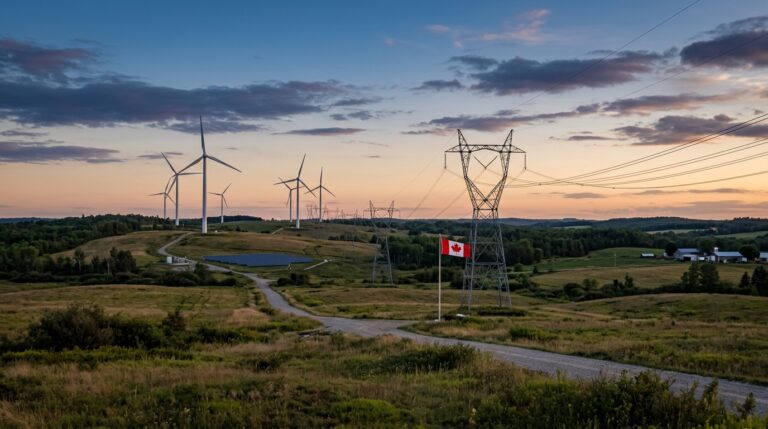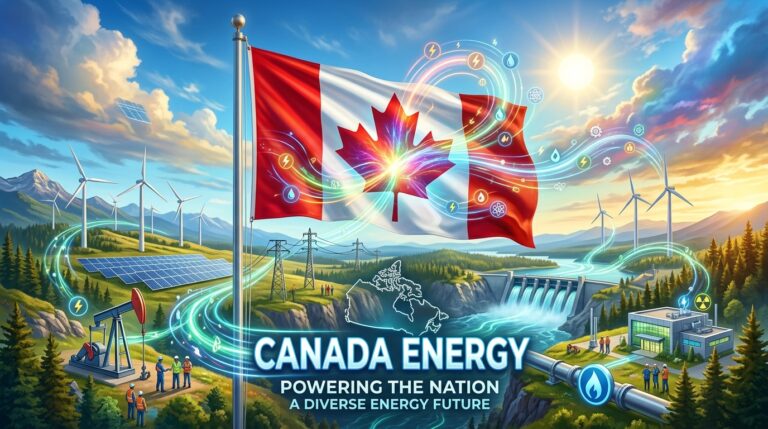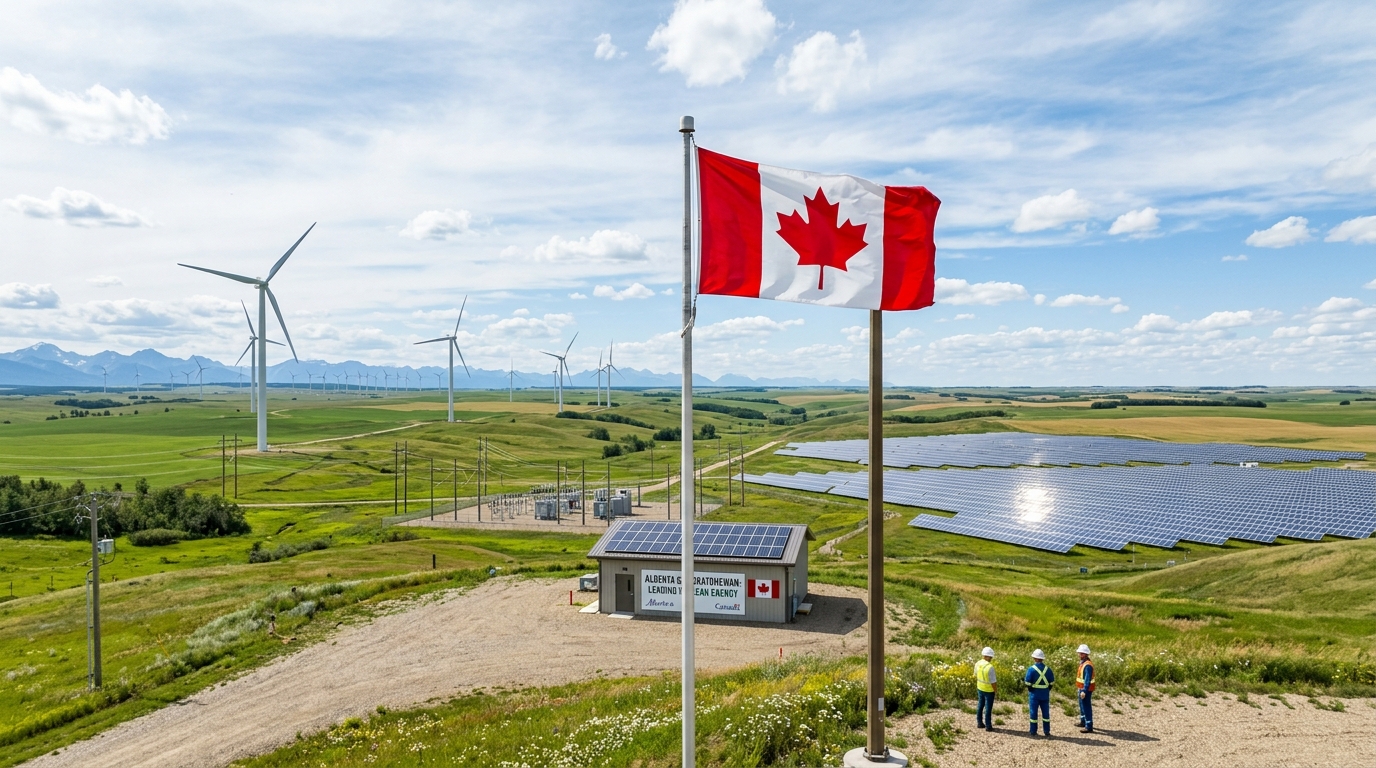
Canada is making another major investment in its clean energy future. The federal government has announced more than $26 million in clean energy funding for 17 projects across Alberta and Saskatchewan, reinforcing its commitment to strengthening Canada’s energy security, expanding renewable energy, modernizing electricity infrastructure, and creating thousands of opportunities for workers and Indigenous communities.
The announcement, made by Natural Resources Canada during the Calgary Stampede, positions Canada as both a clean energy superpower and a reliable conventional energy producer. The new funding package supports clean technology, renewable energy, energy storage, methane reduction, carbon capture, renewable natural gas, workforce development, and energy-efficient buildings.
As Canada continues investing in clean energy, Alberta and Saskatchewan are becoming central to the country’s long-term strategy for affordable, reliable, and low-carbon electricity.
Canada Invests More Than $26 Million in Clean Energy Projects
The Government of Canada confirmed that more than $26 million will be distributed among 17 clean energy projects located throughout Alberta and Saskatchewan.
According to Natural Resources Canada, the investments are designed to:
- Accelerate clean energy deployment
- Expand renewable energy infrastructure
- Improve Canada’s electricity grid
- Strengthen energy security
- Reduce greenhouse gas emissions
- Support Indigenous-led energy projects
- Create high-quality Canadian jobs
- Modernize energy systems
- Attract private investment
Officials say these projects will help ensure Canadians continue to have access to reliable and affordable energy while positioning Canada as a global energy leader.
Largest Share Supports Solar, Wind and Energy Storage
The largest portion of the funding package totals $14.9 million, supporting 10 separate projects across Alberta and Saskatchewan.
These investments focus on several priority areas, including:
- Solar energy development
- Wind energy projects
- Battery and energy storage systems
- Indigenous-led renewable energy initiatives
- Workforce training and development
- Planning for interprovincial electricity transmission
Energy storage has become increasingly important as Canada expands renewable electricity generation. By improving battery storage and grid flexibility, provinces can better manage electricity demand while integrating more solar and wind power into the electrical system.
The funding also supports planning work for future electricity transmission lines connecting provinces, helping move clean electricity more efficiently across Canada.
Renewable Natural Gas Receives Major Investment
Another significant portion of the announcement includes $5.9 million dedicated to engineering and design work for two innovative facilities.
These projects will convert waste biomass into renewable natural gas (RNG) while incorporating carbon capture technology.
Renewable natural gas is produced from organic waste materials instead of fossil fuels. Capturing carbon emissions during production further reduces the environmental impact, making RNG an increasingly important component of Canada’s clean energy strategy.
Officials believe these facilities could help reduce emissions while creating additional renewable fuel sources for Canadian industries and households.
Funding Targets Methane Reduction and Low-Carbon Cement
The federal government is also investing $3.5 million in two additional projects designed to reduce industrial emissions.
These projects include:
- Reducing methane emissions from upstream oil and gas operations
- Developing low-emissions cement alternatives that permanently store carbon
Methane is one of the most powerful greenhouse gases, making methane reduction one of the fastest ways to lower emissions.
Meanwhile, innovative cement technologies that permanently capture carbon could significantly reduce emissions from Canada’s construction sector.
Together, these projects support Canada’s broader objective of lowering industrial emissions while maintaining economic competitiveness.
Building Codes Receive Energy Efficiency Upgrades
The remaining $2.3 million will support three projects focused on improving Canada’s building efficiency.
These initiatives will help develop stronger energy-efficiency building codes designed to lower energy consumption and reduce utility costs over time.
Improved building standards can provide long-term benefits by:
- Lowering heating and cooling costs
- Reducing electricity demand
- Improving energy conservation
- Supporting climate goals
- Increasing building performance
Officials say more efficient buildings help Canadians save money while reducing overall emissions.
Indigenous-Led Clean Energy Projects Receive Additional Support
One of the key priorities in the funding announcement is expanding Indigenous participation in Canada’s clean energy transition.
Several Indigenous-led renewable energy projects are receiving support to advance solar energy development and strengthen local energy security.
In addition, Indigenous Services Canada is contributing $649,000 toward electricity projects led by Indigenous communities.
The funding will assist with pre-development work required before construction can begin on future solar energy projects.
The federal government says these investments help Indigenous communities:
- Strengthen local energy independence
- Reduce reliance on fossil fuels
- Create long-term employment
- Support economic development
- Advance community self-determination
Officials described Indigenous leadership as essential to Canada’s clean energy future.
Minister Tim Hodgson Highlights Canada’s Energy Future
Speaking during the announcement, Energy and Natural Resources Minister Tim Hodgson emphasized that energy remains the backbone of Canada’s economy.
According to the minister, modernizing Canada’s energy infrastructure will:
- Create new investment opportunities
- Generate high-quality jobs
- Strengthen Canada’s economy
- Stabilize long-term energy costs
- Improve national energy security
- Reduce emissions
The government believes continued investment in clean energy technologies will help Canada remain one of the world’s leading energy producers while preparing for future electricity demand.
National Electricity Strategy Continues Expanding
The latest funding announcement also supports Canada’s broader National Electricity Strategy.
One of the strategy’s most ambitious goals is to double Canada’s electricity grid capacity by 2050.
Meeting that objective will require significant investment in:
- Transmission infrastructure
- Renewable energy generation
- Energy storage
- Grid modernization
- Electrification technologies
Officials say expanding the grid is necessary to meet growing electricity demand while maintaining reliable and affordable power supplies.
Smart Renewables and Electrification Pathways Program Drives Investment
Most of the announced funding comes through Canada’s Smart Renewables and Electrification Pathways Program (SREPs).
The federal government has committed $4.5 billion to the national program.
The program supports projects involving:
- Renewable electricity
- Battery storage
- Grid modernization
- Electrification
- Clean technology
- Sustainable electricity systems
SREPs is designed to strengthen electricity infrastructure in every region of Canada while helping provinces transition toward cleaner energy systems.
Energy Innovation Program Supports Emerging Technologies
Several projects are also receiving assistance through Canada’s Energy Innovation Program (EIP).
The Energy Innovation Program focuses on advancing new clean energy technologies that improve affordability, reliability and competitiveness.
The program supports innovations that allow Canada to reduce emissions without sacrificing energy reliability or economic growth.
Federal officials believe continued investment in research and commercialization will help Canadian companies compete globally in rapidly growing clean technology markets.
Interprovincial Electricity Connections Continue Expanding
The latest funding announcement builds on commitments made during the 2026 Energy and Mines Ministers’ Conference held in June.
Canada previously announced support for planning new electricity transmission connections between:
- Yukon and British Columbia
- Alberta and British Columbia
- Alberta and Saskatchewan
- Saskatchewan and Manitoba
These intertie projects are expected to improve electricity sharing between provinces while strengthening grid reliability during periods of high demand.
Enhanced transmission infrastructure also allows provinces to better integrate renewable electricity generation across regional power systems.
Why This Clean Energy Investment Matters
The new Canada clean energy investment in Alberta and Saskatchewan represents another major step toward expanding renewable energy while maintaining reliable electricity supplies.
By investing in solar energy, wind energy, energy storage, renewable natural gas, carbon capture, methane reduction, energy-efficient buildings, and Indigenous-led clean energy projects, Canada aims to strengthen both its economy and energy security.
With more than $26 million flowing into 17 projects, the federal government expects these investments to create jobs, encourage innovation, modernize energy infrastructure, reduce emissions, and help position Canada as a global leader in both clean energy and conventional energy production for decades to come.