Canada’s oil and gas sector is experiencing its strongest resurgence in more than a decade, as high oil prices, growing production, and renewed confidence in energy development drive a dramatic increase in drilling activity across Western Canada. The latest data shows that Canada’s oil and gas drillers are enjoying their busiest spring season since the height of the boom years in 2014, signaling a major turning point for an industry that spent years battling low prices, layoffs, and uncertainty.
Industry leaders say Canada’s oil and gas companies are not only drilling more wells but are also making money at levels that many thought would be impossible just a few years ago. The combination of elevated crude oil prices, improved political signals, and long-term infrastructure discussions has created a wave of optimism that is spreading across Alberta, Saskatchewan, and other energy-producing regions.
Canada’s Oil and Gas Industry Sees Busiest May Since 2014
The Canadian oil and gas industry recorded its most active May in more than ten years, according to new figures from energy technology company Baker Hughes.
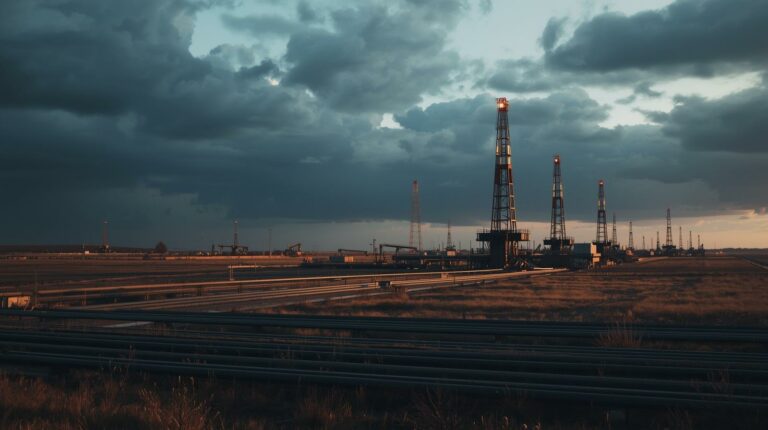
A total of 160 rigs were actively drilling for oil and gas throughout Canada during May 2026. That represents a remarkable 45 percent increase compared with the same month in 2025 and marks the highest drilling activity level since 2014, when Canada’s oilpatch was enjoying one of its largest spending booms in history.
For many industry veterans, the current level of activity is a reminder of the years before the dramatic collapse in global oil prices that forced companies to slash spending and reduce their workforce.
Today, however, the story is very different.
Oil and gas companies are expanding operations, increasing capital expenditures, and adding drilling rigs as they seek to capitalize on favorable market conditions.
Oil Prices Driving Massive Growth in Drilling Activity
One of the biggest factors behind the oil and gas revival is the sharp increase in oil prices.
According to industry leaders, strong crude prices have transformed the economics of drilling projects across Western Canada.
Bob Geddes, president of Calgary-based drilling contractor Ensign Energy Services, says demand for drilling rigs has reached levels not seen in years.
Companies are actively searching for additional equipment as they attempt to increase production and take advantage of profitable market conditions.
Ensign Energy Services is currently operating approximately 40 drilling rigs in Canada, representing a significant increase from the previous year. The company also plans to bring another 10 rigs into operation as drilling demand continues to rise.
Geddes believes there is no doubt about what is fueling the surge.
Higher oil prices have dramatically improved profitability across the sector, making new drilling projects economically attractive.
The result is a stronger oil and gas industry with increasing investment and growing confidence.
Canadian Oil Producers Benefit From Global Energy Market Disruptions
The global energy market has played a major role in supporting Canada’s oil and gas recovery.
Earlier projections suggested that North American oil prices could average between US$50 and US$60 per barrel throughout 2026. However, geopolitical instability and supply concerns have dramatically changed that outlook.
Oil prices have repeatedly moved above US$100 per barrel during recent periods of market volatility.
Even as prices fluctuate, many analysts expect crude oil to remain significantly higher than previous forecasts through 2026 and into 2027.
This environment has provided Canadian oil and gas producers with stronger revenues and greater confidence to invest in new projects.
Industry executives note that only a few months ago, oil prices in the low US$80 range would have been viewed as an exceptionally positive outcome. Today, such pricing is increasingly becoming the baseline expectation for many companies planning future drilling programs.
Oil and Gas Employment Outlook Improves
The resurgence in drilling activity is also creating optimism among workers across Canada’s energy sector.
Although oil and gas employment has not yet returned to the peak levels experienced during the last major boom, conditions are steadily improving.
Energy contractors report growing demand for skilled workers as drilling activity expands.
The increase in active rigs means more opportunities for rig crews, engineers, technicians, equipment operators, transportation providers, and numerous supporting industries that depend on the oil and gas sector.
Many workers who endured years of uncertainty are once again seeing long-term career opportunities emerge within the industry.
Industry representatives say morale among workers has improved significantly as companies continue hiring and investing in future growth.
Alberta and Ottawa Energy Discussions Boost Industry Confidence
Another major factor supporting Canada’s oil and gas industry is the growing cooperation between Alberta and the federal government.
Throughout recent years, tensions over energy policy often created uncertainty for investors and producers. However, recent discussions between Alberta and Ottawa have helped improve industry sentiment.
Many executives now believe governments are increasingly recognizing the economic importance of Canada’s oil and gas sector.
The industry contributes billions of dollars annually to the national economy while supporting hundreds of thousands of jobs directly and indirectly.
Recent agreements involving industrial carbon tax frameworks have been viewed by many energy companies as an encouraging sign that governments are willing to work together on long-term energy development strategies.
This improving relationship has strengthened confidence among investors and drilling contractors who see greater policy stability emerging.
New Pipeline Discussions Could Transform Canada’s Energy Future
One of the most closely watched developments within Canada’s oil and gas industry is the possibility of a new pipeline connecting Alberta production to Canada’s West Coast.
Although many details remain unresolved, discussions surrounding pipeline infrastructure have generated significant interest throughout the energy sector.
Industry leaders argue that additional export capacity would allow Canadian oil and gas producers to access international markets more effectively and potentially secure higher prices for their products.
However, several important challenges remain.
Questions surrounding project costs, routes, environmental requirements, and carbon management initiatives must still be addressed before any final decisions can be made.
One of the key components involves the proposed Pathways carbon capture and storage network, a multibillion-dollar project designed to reduce emissions associated with oilsands production.
Progress on these initiatives could play a major role in determining the future direction of Canada’s oil and gas industry.
Why Canada’s Oil and Gas Sector Is Suddenly More Optimistic
Industry experts point to several factors that are driving today’s optimism:
- Strong oil prices supporting profitability.
- Increased drilling activity across Western Canada.
- Growing production levels.
- Improved cooperation between governments and industry.
- Potential pipeline expansion opportunities.
- Long-term investment confidence.
- Rising demand for drilling rigs and services.
Together, these developments have created conditions that many energy executives have not seen since the previous boom era.
For drilling companies, oil producers, and workers alike, the outlook appears significantly brighter than it did only a few years ago.
Canada’s Oil and Gas Industry Enters a New Growth Phase
Canada’s oil and gas sector appears to be entering a new phase of expansion that could reshape the industry for years to come.
Record drilling activity, profitable operations, rising production, and growing confidence are combining to create one of the strongest environments the sector has experienced since 2014.
While challenges remain, including infrastructure development and regulatory requirements, the current momentum is undeniable.
With oil prices remaining strong and demand for Canadian energy continuing to grow, oil and gas companies across Western Canada are preparing for what many believe could be an extended period of opportunity.
For an industry that spent much of the past decade fighting downturns and uncertainty, Canada’s oil and gas boom is once again becoming one of the country’s biggest economic stories.