Canada’s push toward a net-zero economy by 2050 is accelerating, but progress varies widely across provinces. While some regions are leading the charge in renewable energy adoption, others face economic, political, or technical barriers that slow the transition. Understanding the provincial landscape is essential for investors, policymakers, and Canadians who want to see meaningful climate action.
This article provides a detailed look at how Alberta, Québec, and British Columbia are performing in their clean energy transitions, highlighting successes, challenges, and future prospects.
Alberta: The Oil and Gas Heartland Facing a Renewable Crossroads
Current Energy Mix
- Alberta remains heavily reliant on fossil fuels, with oil and gas contributing over 70% of provincial emissions.
- Coal-fired power has largely been phased out, replaced by natural gas and a growing share of wind and solar.
Clean Energy Progress
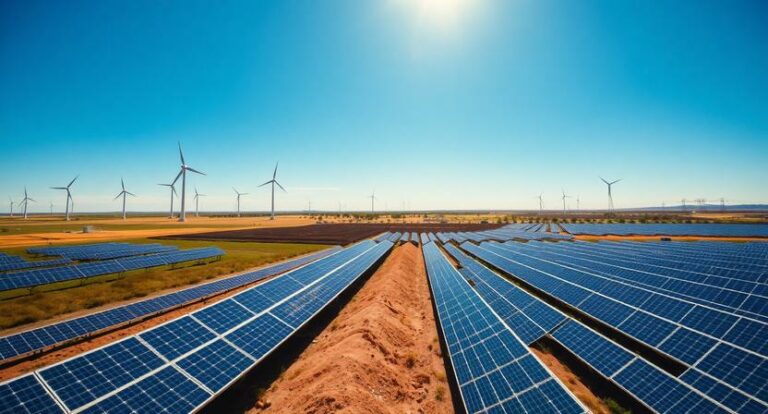
- Wind and solar capacity in Alberta has increased rapidly, now exceeding 3,000 MW combined.
- The province has introduced incentives for renewable developers, particularly in southern regions with strong wind resources.
- Pilot projects in carbon capture and storage (CCS) and hydrogen production are emerging.
Challenges and Barriers
- Fossil fuel industries remain politically and economically influential, slowing regulatory progress.
- Transmission infrastructure is limited in renewable-rich regions, causing curtailment and grid congestion.
- The province lacks a long-term clean electricity mandate comparable to Québec or British Columbia, making investment certainty more difficult.
Outlook
Alberta’s clean energy future hinges on scaling wind, solar, and storage, expanding transmission capacity, and leveraging CCS and hydrogen to decarbonize remaining fossil fuel activity.
Québec: Canada’s Hydroelectric Powerhouse
Current Energy Mix
- Québec is dominated by hydroelectricity, which supplies over 95% of the province’s electricity.
- Electricity is almost entirely carbon-free, giving Québec one of the lowest electricity emission intensities in Canada.
Clean Energy Leadership
- Québec exports surplus hydroelectricity to Ontario, New Brunswick, and the northeastern U.S., supporting regional decarbonization.
- Investments in wind power and battery storage complement hydro, adding flexibility to the grid.
- Québec’s Electric Vehicle (EV) incentives are among the most generous in Canada, boosting EV adoption.
Challenges
- Hydro potential is largely already developed, limiting opportunities for new large-scale hydro projects.
- Integration of intermittent wind and solar requires advanced grid management and storage solutions.
- Transmission to export markets can be constrained, requiring cross-border infrastructure investments.
Outlook
Québec remains a clean energy leader, but future growth will depend on grid modernization, storage, and renewable diversification to fully leverage existing hydro assets.
British Columbia: Hydropower and Emerging Clean Technologies
Current Energy Mix
- B.C.’s electricity is primarily hydroelectric (over 90%), supplemented by natural gas and biomass.
- The province benefits from abundant river systems and mountainous terrain ideal for hydro and small-scale run-of-river projects.
Clean Energy Progress
- B.C. is actively investing in wind, solar, and tidal energy to diversify the clean energy mix.
- Initiatives in green hydrogen and electrification of transportation are underway, including partnerships with industry and indigenous communities.
- The provincial government supports energy efficiency programs for residential, commercial, and industrial users.
Challenges
- Like Québec, most large hydro sites are already developed.
- Environmental and social concerns can delay new renewable projects, particularly run-of-river hydro impacting river ecosystems.
- Industrial demand, including mining and LNG projects, can increase electricity load, requiring careful management of clean supply.
Outlook
B.C. has a strong clean energy foundation but must focus on innovative technologies, storage solutions, and grid flexibility to meet growing demand and support electrification efforts.
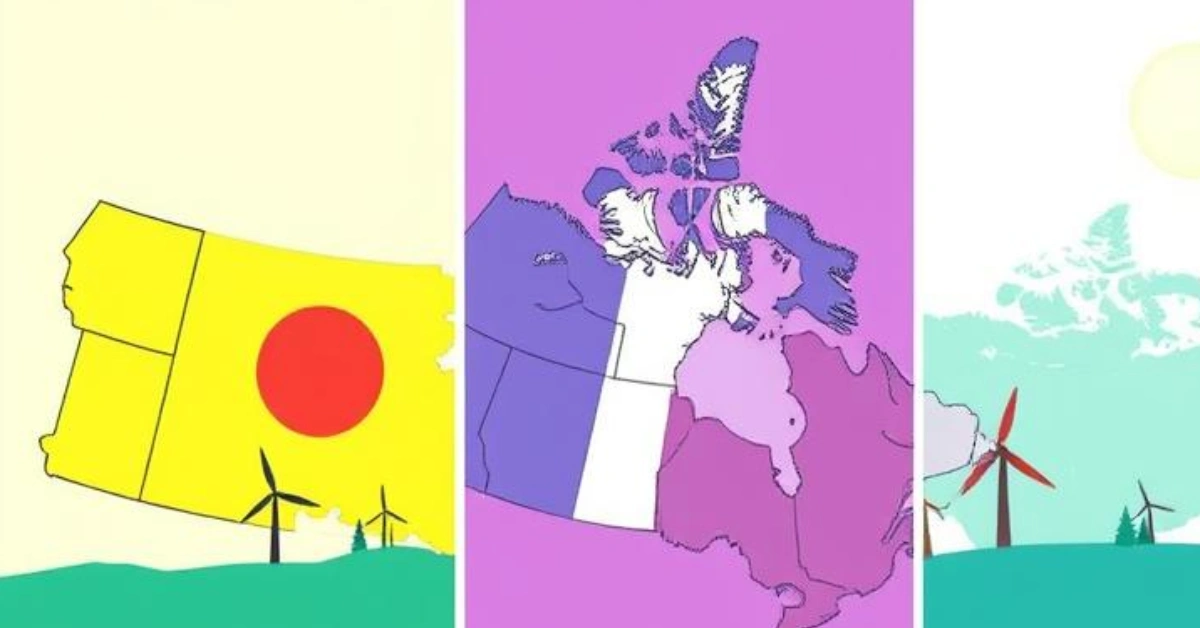
Comparative Analysis: Alberta vs Québec vs British Columbia
| Province | Clean Energy Strengths | Challenges / Barriers | Outlook |
|---|---|---|---|
| Alberta | Growing wind & solar capacity, CCS pilots | Fossil fuel dominance, grid limitations | Needs policy support and storage integration |
| Québec | Hydropower dominance, low emissions, strong exports | Limited hydro expansion, transmission bottlenecks | Leader in clean electricity, focus on grid flexibility |
| British Columbia | Hydro base, emerging renewables & hydrogen | Limited new hydro sites, environmental approvals | Strong foundation, innovation & storage key |
Key Takeaways
- Québec is the national leader in clean electricity, but incremental growth will require smart grid and storage solutions.
- B.C. has a solid hydroelectric base and is investing in clean innovation, but scaling beyond hydro requires careful planning.
- Alberta has potential in wind, solar, CCS, and hydrogen but faces economic and political barriers that slow the transition.
Lessons for Canada’s National Energy Strategy
- A one-size-fits-all approach is not feasible; provincial strengths and constraints must guide policy.
- Investment in transmission, storage, and grid modernization is critical to support renewable integration across provinces.
- Collaboration between provinces can maximize clean electricity exports, balancing supply and demand regionally.
- Clean fuels, energy efficiency, and EV adoption complement provincial electricity strategies, accelerating the transition to net-zero.
Canada’s clean energy transition is uneven but promising. Québec and B.C. provide examples of how abundant renewable resources and policy support can drive progress, while Alberta highlights the challenges of decarbonizing fossil-fuel-heavy economies.
By leveraging each province’s unique energy strengths, investing in innovation and infrastructure, and fostering interprovincial collaboration, Canada can ensure a reliable, low-carbon, and economically vibrant energy future that positions the nation as a global leader in clean energy.