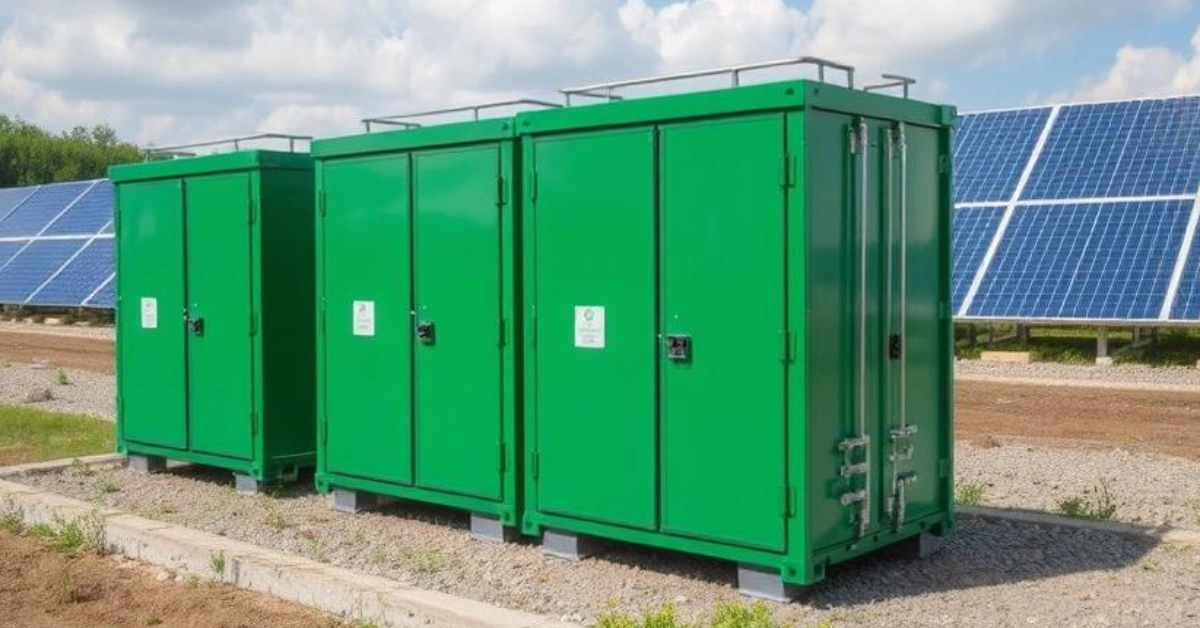
As Canada and the world accelerate toward net-zero emissions by 2050, renewable energy sources like wind and solar are rapidly expanding. While these technologies are essential for decarbonizing electricity, they come with a major challenge: intermittency. The sun doesn’t always shine, and the wind doesn’t always blow, leaving grids vulnerable to power fluctuations.
Enter the battery storage boom—a transformative wave of energy storage technologies that promise to stabilize the grid, integrate more renewables, and ensure reliable power for homes, industries, and communities. This article explores the growth, technologies, benefits, and future of battery storage in building a resilient renewable energy system.
The Renewable Energy Challenge: Why Storage Matters
Intermittency and Grid Reliability
- Solar power peaks during midday, but demand often rises in the evening.
- Wind energy varies hourly and seasonally, creating supply gaps.
- Without storage, grids must rely on fossil fuel backup or risk blackouts during low generation periods.
Peak Demand and Load Shifting
Energy storage allows operators to shift excess generation from low-demand periods to peak-demand hours, reducing stress on the grid and avoiding costly investments in new power plants.
Supporting Electrification and Decarbonization
As sectors like transportation and industry electrify, reliable electricity becomes critical. Battery storage ensures that renewable-heavy grids can meet increasing demand without compromising reliability.
Battery Storage Technologies Driving the Boom
1. Lithium-Ion Batteries
- The most widely deployed technology for utility-scale and residential storage.
- High energy density and fast response times make them ideal for short-term load balancing.
- Costs have dropped by over 85% since 2010, accelerating adoption worldwide.
2. Flow Batteries
- Use liquid electrolytes stored in tanks, allowing long-duration energy storage (4–12 hours or more).
- Excellent for industrial applications and communities needing sustained backup power.
- Particularly suited for hot or cold climates due to better thermal stability than lithium-ion.
3. Solid-State Batteries
- Emerging technology with higher energy density and enhanced safety compared to traditional lithium-ion.
- Potential to power long-duration storage systems and future electric grid applications.
4. Hybrid and Modular Systems
- Combine multiple storage types with solar, wind, and microgrid systems.
- Provide flexibility for peak shaving, frequency regulation, and emergency backup.
- Enable utilities to deploy scalable solutions tailored to local grid needs.
How Battery Storage Supports a Renewable-Powered Grid
Grid Stabilization
- Frequency regulation: Batteries respond in milliseconds to voltage fluctuations, maintaining grid stability.
- Voltage support: Ensures consistent power quality for industrial and residential users.
Peak Shaving and Load Shifting
- Store surplus renewable energy during low-demand periods.
- Release stored energy during peak demand, reducing reliance on fossil fuel peakers.
- Lowers electricity costs for consumers and utilities.
Backup Power and Resilience
- Provides critical backup during storms, outages, or transmission failures.
- Enhances energy security for urban centers, remote communities, and industrial operations.
Enabling Renewable Integration
- Higher storage capacity allows grids to absorb more wind and solar without curtailment.
- Supports long-distance energy transfer between provinces or regions, improving grid flexibility.
Canada’s Battery Storage Landscape
Current Status
- Canada’s storage market is growing rapidly, with pilot projects in Ontario, Quebec, Alberta, and British Columbia.
- Utilities are increasingly investing in utility-scale lithium-ion systems to complement hydroelectric and wind power.
Notable Projects
- AES Canada’s 100 MW/400 MWh storage facility in Alberta supports grid balancing for wind-heavy regions.
- Hydro-Québec and Tesla collaboration: Testing large-scale battery storage to optimize hydroelectric output and integrate intermittent renewables.
- Remote Northern Communities: Solar-battery microgrids are reducing diesel dependence while increasing reliability.
Government Support
- Federal and provincial funding programs, such as Smart Renewables and Electrification Pathways (SREP) and Clean Electricity Incentives, support the deployment of large-scale storage projects.
- Research initiatives aim to advance long-duration storage and improve cost efficiency, positioning Canada as a leader in clean grid technology.
Economic and Environmental Benefits
Lower Electricity Costs
- Reduces the need for expensive fossil fuel peaker plants.
- Avoids transmission congestion costs by localizing energy use.
Reduced Emissions
- Supports higher penetration of renewables, cutting CO₂ emissions from electricity generation.
- Provides a path to decarbonize industrial, transportation, and remote energy systems.
Job Creation and Innovation
- Storage deployment drives jobs in manufacturing, installation, operations, and R&D.
- Encourages Canadian innovation in advanced battery technologies, exportable to global markets.
Challenges to Scaling Battery Storage
Cost and Investment
- Although costs have fallen, long-duration storage remains expensive.
- Significant upfront capital is required for utility-scale deployment.
Resource Availability
- Lithium, cobalt, and other materials for batteries are limited and must be sourced sustainably.
Technical and Regulatory Barriers
- Grid integration requires advanced software, inverters, and smart grid infrastructure.
- Regulatory frameworks must adapt to distributed storage and energy trading models.
The Future: A Grid Powered by Renewables and Storage
By 2050, battery storage is expected to:
- Enable 70–80% renewable penetration on Canada’s electricity grid.
- Provide long-duration storage for multi-day and seasonal energy needs.
- Power remote and off-grid communities with solar and wind microgrids.
- Integrate with hydrogen and other clean fuels, creating a fully decarbonized energy system.
The battery storage boom is more than a technological trend—it is essential for achieving a reliable, clean, and resilient power grid. By enabling higher renewable integration, stabilizing supply, and reducing emissions, storage systems will underpin Canada’s energy transition and net-zero ambitions.
As deployment accelerates, batteries will become the backbone of a 21st-century electricity system, ensuring that homes, industries, and communities enjoy reliable, affordable, and green power for decades to come.