Hydropower has long been the backbone of clean electricity in many parts of the world, including Canada, the United States, and Europe. For decades, rivers and reservoirs have provided a steady, low-carbon source of power that supports both domestic energy needs and lucrative cross-border electricity trade. But as climate change drives more severe droughts, heat waves, and unpredictable precipitation patterns, the once-stable supply of hydropower is under growing strain.
This article explores how a warming climate is undermining the reliability of hydropower and reshaping electricity imports and exports—posing risks for utilities, governments, and consumers on both sides of the border.
The Cost of Delay: Economic Risks if Canada Misses Its Emissions Goals
Hydropower’s Central Role in the Energy Mix
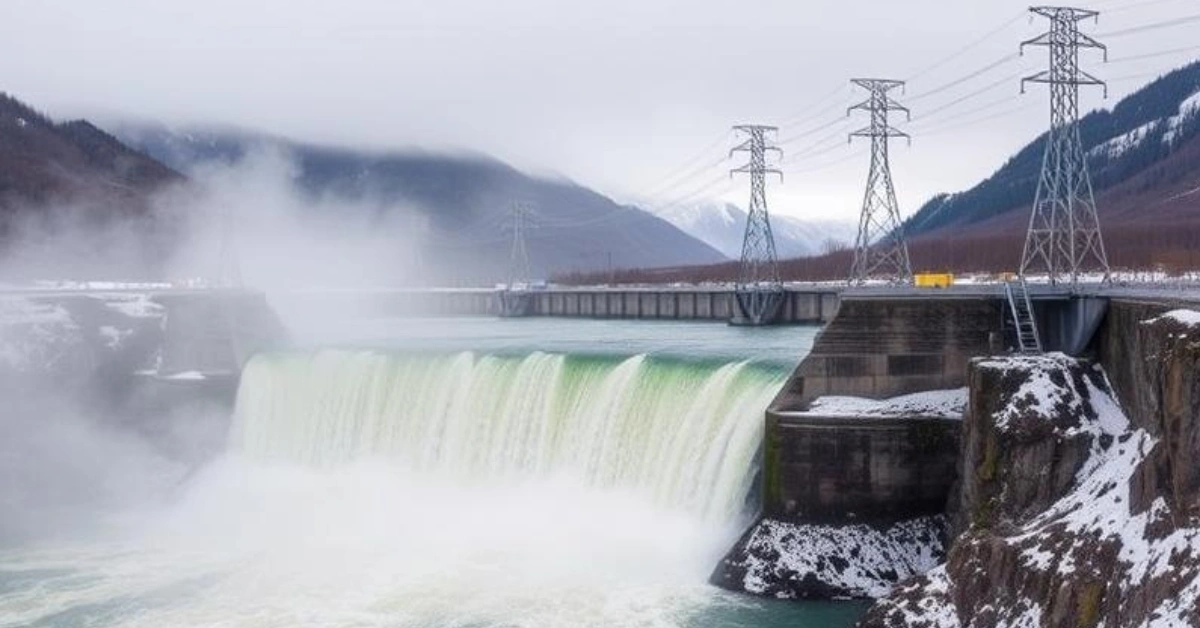
Hydropower accounts for over 60% of Canada’s electricity generation and roughly 16% of global electricity supply. It provides:
- Stable baseload power to balance intermittent renewables like wind and solar.
- Low-cost electricity that keeps consumer rates competitive.
- A major source of export revenue, especially for Canada, which sells surplus hydroelectric power to U.S. markets.
For decades, planners treated hydropower as one of the most reliable renewable resources. But the changing climate is rewriting those assumptions.
Drought and Declining Water Flows: A New Normal
Hotter Temperatures and Altered Rainfall
Rising global temperatures are intensifying evaporation and shifting rainfall patterns. Snowpacks in the Rockies, Alps, and Andes are melting earlier, reducing spring runoff that traditionally feeds hydro reservoirs during peak demand.
Severe Droughts and Reservoir Stress
Multi-year droughts—such as the Western North American drought of the 2020s—have left major reservoirs like Lake Mead and Lake Powell at record lows. Similar patterns are emerging in Europe’s Po River basin and South America’s Paraná River.
Lower reservoir levels mean:
- Reduced generation capacity, forcing utilities to cut output.
- Competition for water between electricity generation, agriculture, and municipal needs.
- Greater difficulty maintaining stable grid operations during peak demand periods.
Canada and the United States: Cross-Border Implications
Canada’s Hydropower Advantage Under Pressure
Canada is a net exporter of electricity to the United States, selling about 60 terawatt-hours annually, mostly from Quebec, Manitoba, and British Columbia. But prolonged droughts in western provinces and Quebec’s reservoirs can reduce export availability just as U.S. states increasingly rely on clean imports to meet decarbonization goals.
For example:
- British Columbia’s 2021 heat dome and drought lowered hydro output, prompting BC Hydro to import electricity from the U.S.—a reversal of typical trade flows.
- Lower Great Lakes water levels have periodically constrained Ontario’s hydro capacity.
U.S. Reliance on Canadian Imports
Several U.S. states—including New York, Vermont, and Minnesota—count on Canadian hydropower to meet renewable energy mandates. Drought-related supply disruptions could:
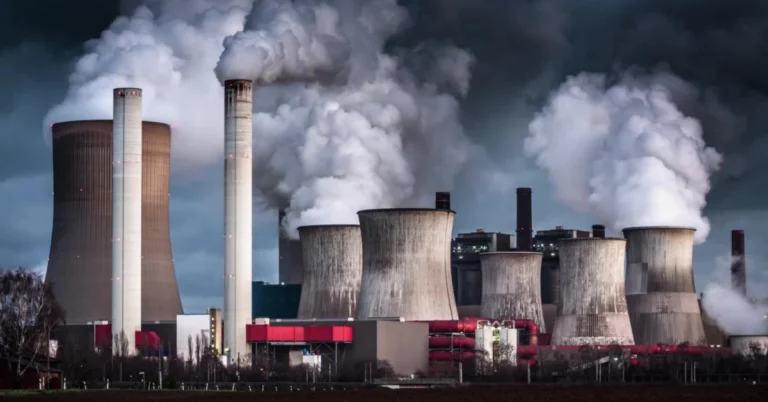
- Increase U.S. reliance on natural gas or coal, raising emissions.
- Push electricity prices higher during peak demand.
- Complicate state-level clean energy targets and grid decarbonization plans.
Global Case Studies: Hydropower in a Changing Climate
Europe’s 2022 Energy Crisis
The 2022 European drought—the worst in 500 years—cut hydropower output by 20% across the EU, forcing countries like Norway and Italy to curtail electricity exports and restart fossil-fuel plants.
South America’s Paraná River Drought
Brazil’s hydropower generation plunged during the 2020–2021 Paraná River drought, leading to electricity rationing and higher fossil fuel use. Paraguay and Argentina, key hydropower exporters, also faced export declines.
These examples illustrate how hydropower-dependent economies face both domestic shortages and lost export revenue when climate change disrupts water flows.
Electricity Market Volatility and Price Spikes
When hydropower output falls, electricity markets experience sharp price fluctuations:
- Spot prices rise as utilities turn to natural gas or coal-fired plants.
- Imports from neighboring regions may become scarce if droughts are widespread.
- Consumers face higher bills and industries face reduced competitiveness.
This volatility undermines the perception of hydropower as a stable, low-cost energy source, complicating long-term energy planning.
Implications for Climate Goals and Energy Transition
Ironically, climate-driven droughts threaten the very clean energy sources needed to combat climate change:
- Shortfalls in hydro output often lead to increased fossil fuel generation, temporarily raising greenhouse gas emissions.
- Governments may delay coal and natural gas plant retirements to maintain grid reliability.
- The need for backup generation complicates national and provincial efforts to achieve net-zero electricity grids by 2035 or 2050.
Without adaptation, climate impacts on hydropower could slow the clean energy transition, forcing policymakers to rethink energy security strategies.
Adapting Hydropower to a Hotter, Drier Future
To maintain hydropower reliability and stable electricity trade, utilities and governments are investing in adaptation measures:
Diversifying the Energy Mix
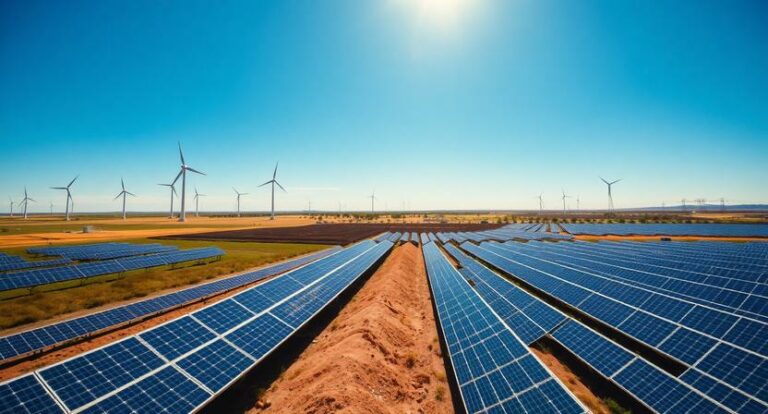
Expanding wind, solar, and nuclear reduces overreliance on hydropower, providing alternative low-carbon baseload capacity.
Modernizing Reservoir and Grid Management
- Upgrading forecasting systems for snowmelt and rainfall to optimize reservoir operations.
- Integrating smart grids and energy storage to better handle variable supply.
Enhancing Cross-Border Cooperation
Canada and the U.S. are exploring interprovincial and interstate transmission projects to move renewable power more flexibly, sharing resources when hydro output drops.
Rethinking Electricity Pricing
Dynamic pricing models can encourage consumers to shift demand during periods of low hydropower availability, easing grid pressure.
Economic and Policy Stakes
Failing to adapt exposes both exporters and importers to significant risks:
- Revenue Losses: Provinces like Quebec and Manitoba, which depend on export revenue, could face budget shortfalls.
- Trade Disruptions: U.S. states counting on Canadian clean imports may struggle to meet renewable targets.
- Investment Uncertainty: Private-sector investors may hesitate to finance new hydro projects without clear climate-resilience plans.
Governments must integrate climate risk assessments into all future hydropower planning to safeguard long-term energy security.
Hydropower has long been a cornerstone of North America’s low-carbon energy system and a key driver of cross-border electricity trade. But climate change is eroding its reliability, with severe droughts and shifting precipitation patterns threatening both domestic supply and international exports.
To protect electricity markets and sustain progress toward net-zero emissions, Canada, the United States, and other hydropower-reliant regions must diversify energy sources, modernize infrastructure, and plan for a drier future. The era of assuming that rivers will always run full is over—climate resilience must now be built into the very heart of our power systems.