Atlantic Canada could be on the verge of one of the biggest energy transformations in its history, according to the newly released Canada’s Energy Future 2026 report. The long-term outlook from the federal energy regulator paints a picture of dramatic growth in electricity demand, expanding renewable energy projects, increased offshore wind development, rising hydrogen exports, and continued natural gas production across the region.
The highly anticipated Canada’s Energy Future 2026 report examines how Canada’s energy supply and demand may evolve through 2050 under multiple scenarios. While the report is not intended to predict the future with certainty, it provides a roadmap for understanding potential energy trends that could influence government policies, infrastructure investments, industrial development, and environmental planning for decades.
For Atlantic Canada, the findings suggest a future where renewable energy, offshore wind, hydrogen production, biofuels, and strategic natural gas development become increasingly important parts of the regional economy.
What Is Canada’s Energy Future 2026?
The Canada’s Energy Future 2026 report explores four different scenarios that examine how Canada’s energy system could develop between now and 2050.
These scenarios include:
- Current Measures
- Higher Growth
- Lower Growth
- Canada Net Zero
The Current Measures scenario serves as the baseline model. It assumes existing government policies remain in place while accounting for expected technological advances, economic growth, industrial expansion, and energy demand trends.
The Higher and Lower scenarios primarily vary based on assumptions about future industrial growth, including increased electricity consumption from sectors such as manufacturing, technology, artificial intelligence infrastructure, and large-scale data centres.
The Canada Net Zero scenario focuses on how the country could potentially achieve net-zero emissions by 2050.
While each pathway differs, all four scenarios point toward major changes in Atlantic Canada’s energy landscape.
Atlantic Canada Electricity Demand Expected to Surge
One of the most significant conclusions in Canada’s Energy Future 2026 is the expected rise in electricity demand.
Electricity consumption across Atlantic Canada is projected to increase substantially over the coming decades.
Several factors are driving this trend:
- Population growth
- Increased electrification of transportation
- Electric vehicle adoption
- Industrial expansion
- Growth in data centres
- Electrification of homes and buildings
- Decarbonization efforts
As Canadians increasingly move away from fossil fuels in certain sectors, electricity becomes the primary source of energy for transportation, heating, and industrial operations.
This means Atlantic provinces may need significant investments in transmission infrastructure, generation facilities, and energy storage technologies to meet future demand.
The report indicates that electricity production will also increase dramatically, creating opportunities for new energy projects and economic development.
Renewable Energy Becomes the Foundation of Atlantic Canada’s Future
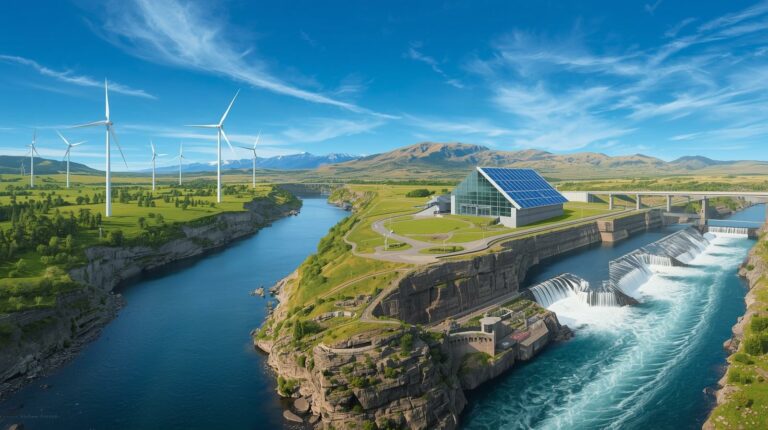
Perhaps the biggest theme throughout Canada’s Energy Future 2026 is the rapid expansion of renewable energy.
The report suggests that most new electricity generation capacity across Canada will come from renewable sources.
For Atlantic Canada, renewable energy is expected to play an increasingly central role in supporting future electricity demand.
This includes:
- Offshore wind
- Onshore wind
- Hydroelectric power
- Solar energy
- Energy storage systems
The region possesses some of North America’s strongest wind resources, particularly along the Atlantic coastline.
As governments and private investors continue pursuing clean energy development, Atlantic Canada could emerge as a major renewable energy hub serving both domestic and international markets.
The report’s assumptions regarding offshore wind development highlight just how important renewable energy may become.
Offshore Wind Could Become a Major Economic Driver
One of the most notable projections in the Current Measures scenario involves offshore wind development.
The report assumes the installation of approximately 73 offshore wind turbines with a reference capacity of 15 megawatts each.
This represents a substantial offshore wind investment that could transform Atlantic Canada’s energy sector.
Offshore wind projects offer several potential benefits:
- Clean electricity generation
- Job creation
- Infrastructure development
- Export opportunities
- Increased energy security
- Reduced greenhouse gas emissions
Atlantic Canada’s geography provides ideal conditions for offshore wind production.
Strong and consistent coastal winds make the region particularly attractive for large-scale renewable energy projects.
Many industry experts believe offshore wind could eventually become one of Atlantic Canada’s most important economic sectors.
Hydrogen Exports Could Create a New Atlantic Industry
Another major development highlighted in Canada’s Energy Future 2026 involves hydrogen production.
The Current Measures scenario assumes hydrogen production for export begins increasing significantly after 2030.
According to the report, hydrogen exports could reach approximately 2 million tonnes annually by 2050.
Hydrogen has emerged as one of the world’s fastest-growing clean energy opportunities.
Countries across Europe and Asia are actively seeking reliable suppliers of low-carbon hydrogen as they work toward emissions reduction goals.
Atlantic Canada is well positioned to participate in this emerging market because of its:
- Access to renewable electricity
- Deep-water ports
- Strategic shipping routes
- Proximity to international markets
Hydrogen development could attract billions of dollars in investment while creating thousands of skilled jobs throughout the region.
Natural Gas Production Continues to Grow
Despite increased focus on renewable energy and decarbonization, Canada’s Energy Future 2026 also projects continued growth in natural gas production.
Natural gas remains an important part of Canada’s energy system under all scenarios examined in the report.
The regulator notes that natural gas production is expected to accelerate nationally, helping strengthen Canada’s export position in global energy markets.
For Atlantic Canada, natural gas demand is projected to remain relatively stable throughout much of the forecast period.
This suggests natural gas may continue serving as an important transitional energy source while renewable infrastructure expands.
Supporters argue natural gas can provide reliable backup generation when renewable sources face weather-related limitations.
Newfoundland and Labrador Could Benefit from Bay du Nord Development
The report includes an especially interesting forecast regarding Newfoundland and Labrador.
Oil product activity is expected to increase during the medium term before declining over the longer term.
Many analysts believe this outlook reflects anticipated development associated with the Bay du Nord project.
Bay du Nord has been one of Canada’s most closely watched offshore oil developments.
If production expands as expected, Newfoundland and Labrador could experience increased economic activity, investment, employment opportunities, and export revenues during the coming decades.
However, the long-term outlook still anticipates declining oil demand as global energy systems continue transitioning toward lower-emission sources.
Biofuels Expected to Play a Growing Role
The report also highlights increasing opportunities for biofuels throughout Atlantic Canada.
Biofuels are expected to become more important under every scenario examined in Canada’s Energy Future 2026.
One area receiving particular attention is sustainable aviation fuel.
Airlines around the world are searching for ways to reduce emissions while maintaining operational reliability.
Sustainable aviation fuel is increasingly viewed as a critical component of aviation decarbonization strategies.
Atlantic Canada could potentially benefit from future investments in biofuel production facilities that support both domestic and export markets.
Canada Will Continue Being a Major Energy Exporter
Another key finding from Canada’s Energy Future 2026 is that Canada is expected to remain a major energy exporter.
The report suggests energy exports to the United States will continue throughout the forecast period.
Expanded natural gas production, growing renewable energy capacity, hydrogen exports, and ongoing resource development could strengthen Canada’s position in global energy markets.
For Atlantic Canada, this creates opportunities to become a strategic energy gateway connecting North American energy production with international demand.
What Does This Mean for Atlantic Canadians?
For residents of Atlantic Canada, the report points toward a future filled with both opportunities and challenges.
Potential benefits include:
- New jobs in renewable energy
- Offshore wind investments
- Hydrogen export facilities
- Infrastructure development
- Increased electricity generation
- Economic growth
- Enhanced energy security
At the same time, governments, utilities, businesses, and communities will face important decisions regarding energy planning, environmental protection, workforce development, and long-term investment strategies.
The energy transition will require careful balancing between affordability, reliability, economic growth, and emissions reduction goals.
Atlantic Canada’s Energy Future Looks Increasingly Diverse
The overall message from Canada’s Energy Future 2026 is clear: Atlantic Canada’s energy system is becoming more diverse, more electrified, and increasingly focused on renewable energy opportunities.
Electricity demand is expected to rise sharply. Renewable energy projects are expected to expand significantly. Offshore wind could become a major economic engine. Hydrogen exports may create entirely new industries. Biofuels are projected to grow in importance. Natural gas remains part of the energy mix. Newfoundland and Labrador could see increased activity linked to Bay du Nord development.
While no one can predict exactly what the energy system will look like in 2050, Canada’s Energy Future 2026 provides one of the most detailed examinations yet of how Atlantic Canada may evolve during one of the most significant energy transitions in Canadian history.
For Atlantic Canadians, the coming decades could reshape not only how energy is produced and consumed, but also how the region grows, competes, and prospers in an increasingly changing global energy economy.