Canada’s energy crossroads has become one of the most important economic and political debates in the country. As governments, businesses, and investors make long-term decisions worth billions of dollars, the question is no longer simply whether Canada should continue expanding oil and gas production. Instead, the conversation is increasingly focused on whether Canada’s energy future is better served by investing in critical minerals, clean electricity, and battery supply chains that are expected to drive global economic growth for decades.
The debate surrounding Canada’s energy crossroads comes at a time when the global energy system is undergoing significant transformation. Geopolitical instability, changing energy demand, supply chain disruptions, technological innovation, and climate policies are reshaping markets across the world. As these changes accelerate, Canada must determine whether expanding traditional fossil fuel industries remains the best path forward or whether emerging sectors offer stronger long-term opportunities.
Canada’s Energy Crossroads and the Oil Sands Challenge
At the center of Canada’s energy crossroads is the country’s oil industry, particularly the oil sands sector.
Canada possesses some of the largest proven oil reserves in the world. However, nearly all of those reserves are located within the oil sands, which require complex and expensive extraction methods. Unlike conventional oil production in many parts of the world, oil sands development involves significant capital investment, energy-intensive processes, and higher operating costs.
This reality places Canada in a unique position compared with major oil-producing competitors.
Countries in the Middle East can often produce oil at significantly lower costs due to favorable geology and established infrastructure. As a result, Canada frequently finds itself competing in global markets where lower-cost producers have substantial advantages.
Energy analysts often describe Canada as a “marginal producer,” meaning Canadian oil production can become less competitive when global oil prices decline or when lower-cost producers increase output.
This challenge has become increasingly important as global energy demand patterns evolve.
Why Oil and Gas Expansion Faces Growing Questions
Supporters of oil and gas expansion argue that Canada should continue developing pipelines, increasing exports, and expanding production capacity to strengthen economic growth.
However, critics of large-scale expansion point to several structural disadvantages.
One major issue is the substantial cost associated with developing entirely new oil sands projects. While existing facilities can sometimes improve efficiency and reduce operational expenses, new greenfield developments require enormous upfront investments that can take years or even decades to recover.
Industry estimates suggest that building new oil sands projects can involve significantly higher breakeven costs compared with expanding existing operations.
At Canada’s energy crossroads, policymakers must therefore evaluate whether committing billions of dollars to new oil infrastructure remains economically prudent in a rapidly changing global market.
Many experts argue that future demand growth may not be strong enough to justify major new investments, particularly as renewable energy adoption accelerates worldwide.
Canada’s Energy Crossroads and the LNG Debate
The debate extends beyond oil.
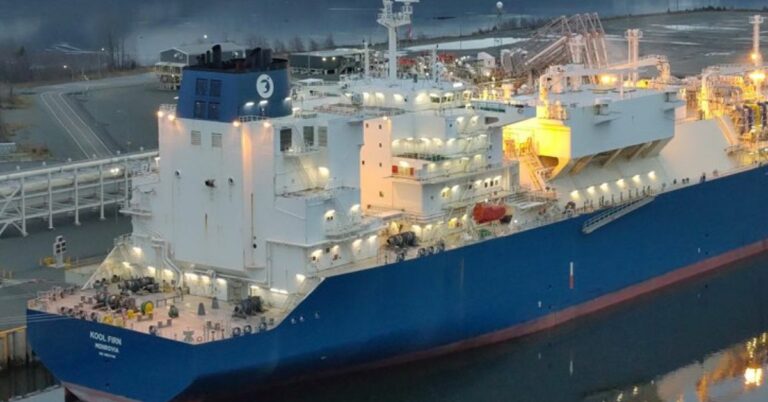
Liquefied natural gas, commonly known as LNG, has become another major focus of Canada’s energy strategy. Supporters believe Canadian LNG exports could provide economic benefits and help international partners diversify energy supplies.
Yet Canada’s LNG industry faces many of the same challenges confronting oil sands development.
Building LNG export terminals requires massive infrastructure investments. Construction costs have risen significantly, and some projects have experienced substantial budget overruns.
Geography also presents challenges.
Canada’s distance from major global markets increases transportation costs compared with competitors located closer to key import regions.
At the same time, global LNG markets remain highly competitive and increasingly uncertain.
Countries considering LNG imports must invest heavily in specialized facilities capable of processing liquefied natural gas. Some nations have slowed or reconsidered expansion plans due to cost concerns and shifting energy priorities.
As a result, Canada’s energy crossroads increasingly involves difficult questions about whether future LNG growth can deliver the long-term returns that supporters expect.
Critical Minerals Could Transform Canada’s Energy Future
While much of the public discussion focuses on oil and gas, critical minerals are emerging as one of the most significant opportunities in Canada’s energy crossroads.
The global clean energy transition depends heavily on minerals such as lithium, nickel, cobalt, copper, graphite, and rare earth elements.
Electric vehicles require large quantities of battery materials. Wind turbines, solar panels, transmission systems, and advanced technologies all depend on critical mineral supplies.
Demand forecasts suggest these resources will become increasingly important as countries invest in electrification and renewable energy infrastructure.
Canada is exceptionally well positioned in this area.
The country possesses abundant reserves of many minerals essential to future technologies. In addition, Canada benefits from political stability, strong regulatory institutions, and growing interest from global investors seeking secure supply chains.
Many analysts believe critical minerals could become one of the defining economic opportunities emerging from Canada’s energy crossroads.
Clean Electricity Gives Canada a Competitive Advantage
Another major strength often highlighted in discussions about Canada’s energy crossroads is clean electricity.
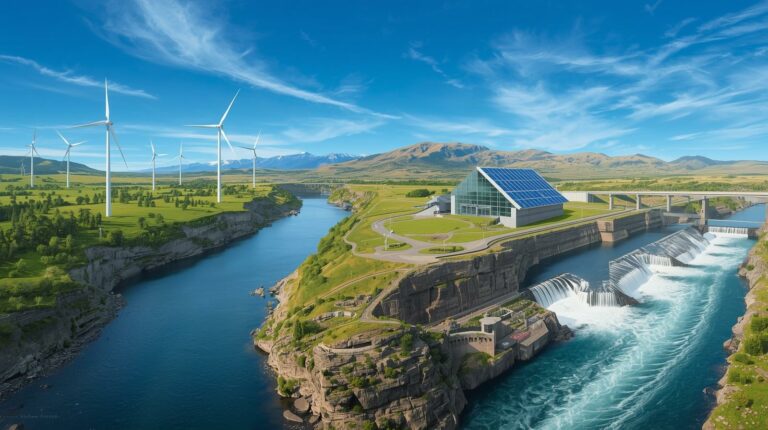
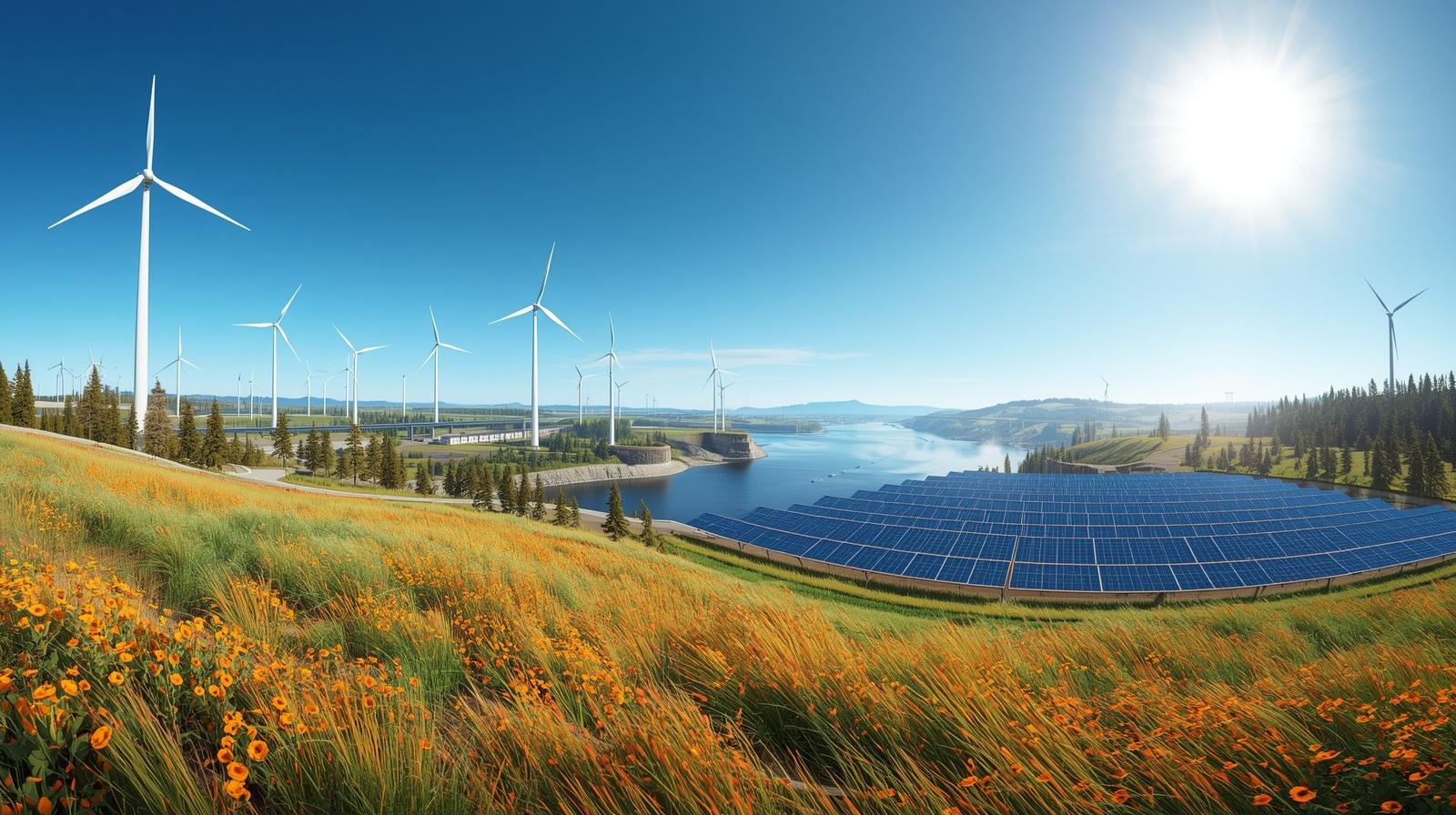
Canada already generates a large percentage of its electricity from non-emitting sources, including hydroelectric power, wind energy, nuclear power, and solar energy.
This provides an important advantage as industries increasingly seek access to reliable and low-carbon electricity.
Manufacturers, technology companies, data centers, battery producers, and advanced industrial facilities all require significant amounts of electricity.
As businesses prioritize sustainability and emissions reduction, countries with abundant clean power may gain a competitive edge in attracting investment.
Canada’s existing electricity infrastructure therefore represents a strategic asset that could support long-term economic growth.
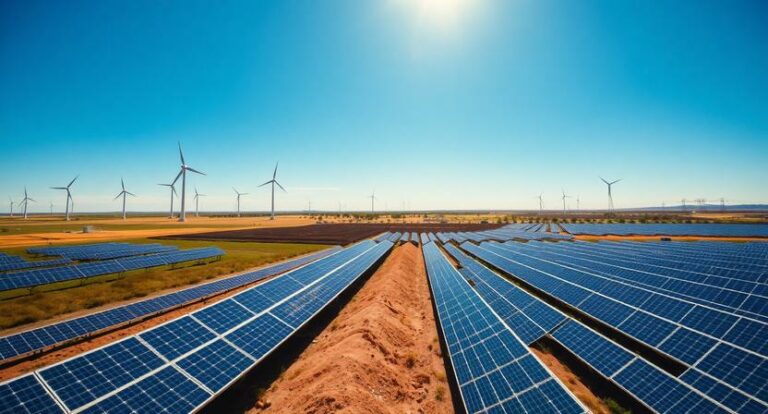
Continued investments in renewable energy generation, grid modernization, and transmission capacity may strengthen Canada’s position in global markets while reducing exposure to energy price volatility.
Battery Supply Chains Represent a Major Economic Opportunity
The rise of electric vehicles has transformed global competition for battery manufacturing.
Battery supply chains now represent one of the fastest-growing sectors connected to Canada’s energy crossroads.
Building batteries requires access to critical minerals, advanced manufacturing capabilities, skilled labor, and large amounts of electricity.
Canada possesses many of these advantages.
The country’s extensive mineral resources can provide key inputs for battery production. Its clean electricity system offers manufacturers access to low-emission energy. Proximity to North American automotive markets creates additional opportunities.
Global rankings have increasingly highlighted Canada’s potential as a future leader in battery supply chains.
Government incentives, private-sector investments, and international partnerships continue driving growth across the sector.
For many policymakers, battery manufacturing represents a chance to capture greater economic value rather than simply exporting raw materials.
Canada’s Energy Crossroads Is Ultimately About Strategic Choices
The broader discussion surrounding Canada’s energy crossroads is not necessarily a choice between economic growth and environmental responsibility.
Rather, it is a debate about where Canada’s strongest competitive advantages exist.
Supporters of diversification argue that future prosperity may depend less on expanding high-cost fossil fuel production and more on developing sectors where global demand is expected to increase significantly.
Critical minerals, clean electricity, battery manufacturing, advanced technology, and energy infrastructure are frequently identified as areas where Canada could play a leading role.
At the same time, oil and gas industries remain important contributors to employment, exports, government revenues, and economic activity.
This makes Canada’s energy crossroads particularly complex.
The challenge for policymakers is determining how to balance existing strengths with emerging opportunities while ensuring long-term economic competitiveness.
The Future of Canada’s Energy Crossroads
As the world transitions toward new energy systems, Canada’s energy crossroads will continue shaping national policy debates.
The decisions made today regarding oil sands development, LNG expansion, critical minerals, renewable energy, and battery supply chains could influence Canada’s economic trajectory for decades.
Supporters of resource diversification believe Canada holds world-class advantages that position it well for future growth. Critics of large-scale fossil fuel expansion argue that public investments should focus on sectors with stronger long-term demand prospects.
What remains clear is that Canada’s energy crossroads represents far more than an energy policy discussion. It is a debate about economic competitiveness, industrial strategy, investment priorities, and Canada’s place in a rapidly evolving global economy.
Whether Canada chooses to prioritize oil and gas expansion, accelerate investment in critical minerals and clean electricity, or pursue a combination of both approaches, the decisions made during this period will help define the country’s economic future for generations to come.