Canada’s oil and gas sector is experiencing a dramatic resurgence, with drilling activity accelerating at a pace that is forcing policymakers, investors, and energy analysts to rethink assumptions about the country’s energy transition. The latest Canada oil and gas data shows a sharp increase in field activity, rising production levels, expanding export infrastructure, and growing confidence among producers that global demand for Canadian energy will remain strong for years to come.
The renewed strength of the Canada oil and gas industry comes at a critical moment. While Ottawa continues to pursue ambitious climate goals and emissions-reduction targets, the upstream energy sector is finding new opportunities through LNG exports, pipeline proposals, improved well productivity, and stronger access to international markets.
As Canada oil and gas companies ramp up investment and drilling programs, the debate over the country’s energy future is becoming increasingly complex.
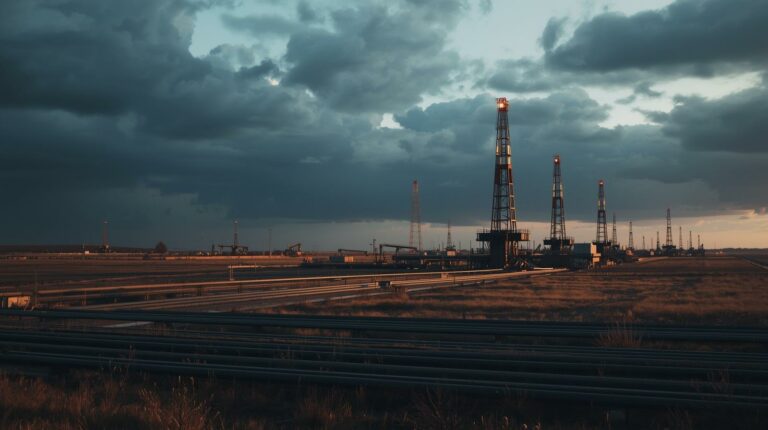
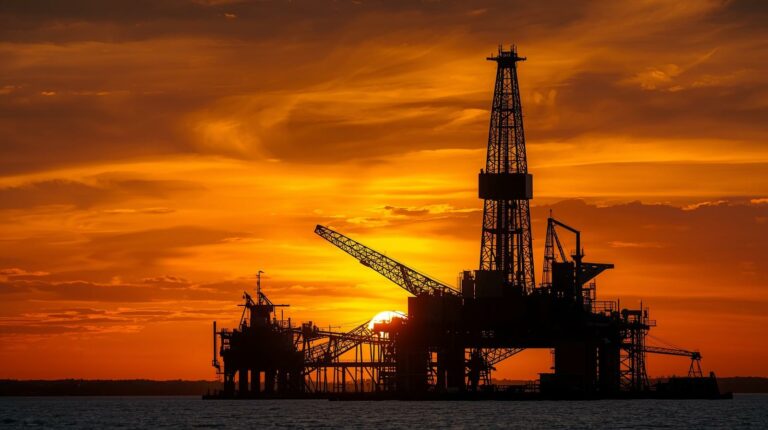
Canada Oil and Gas Rig Count Jumps Nearly 45%
One of the clearest indicators of the sector’s momentum is the latest drilling activity data.
According to Baker Hughes, Canada had 162 active rigs operating during the week ending May 29, 2026. That represents an increase of 24 rigs from the previous week and a remarkable increase of 50 rigs compared to the same period last year.
The year-over-year increase of approximately 44.6% highlights the scale of the recovery taking place across the Canada oil and gas sector.
Such a rapid increase in active drilling rigs signals growing confidence among producers. Companies are committing additional capital to exploration and production activities, betting that stronger market access and favorable commodity demand will support future growth.
For oilfield service providers, the surge in rig activity means rising demand for drilling equipment, crews, transportation services, maintenance operations, and specialized technical support.
The Canada oil and gas industry is clearly entering a new phase of expansion.
LNG Canada Is Changing the Future of Canadian Natural Gas
One of the biggest factors behind the renewed drilling boom is the growing importance of LNG Canada.
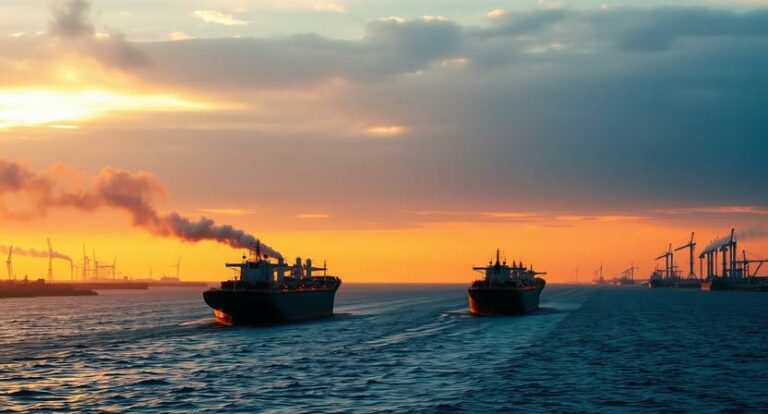
For decades, Canadian natural gas producers relied heavily on the United States as their primary export destination. While the U.S. market remains critical, LNG Canada is creating an entirely new opportunity by connecting Western Canadian gas supplies directly to global LNG markets, particularly in Asia.
This shift is fundamentally changing the economics of Canadian natural gas production.
The Canada Energy Regulator reported that Canadian natural gas production reached record levels in 2025, averaging approximately 19 billion cubic feet per day. Production climbed even higher in November 2025, reaching a record 20 billion cubic feet per day.
According to regulators, the growth was driven by several key factors:
- Increased drilling activity
- Improved well productivity
- Enhanced resource recovery techniques
- Expansion of natural gas infrastructure
- LNG Canada startup operations
The launch of LNG Canada has become one of the most significant developments in the country’s energy sector.
The facility gives producers access to premium overseas LNG markets that often offer stronger pricing opportunities than domestic North American markets.
As a result, many Canada oil and gas companies now have additional incentives to increase production.
LNG Canada Expansion Creates New Demand for Canadian Gas
The importance of LNG Canada increased even further when the facility expanded operations.
Reports indicate that LNG Canada successfully launched production from its second processing train. Each train carries approximately 6.5 million metric tons per year of export capacity.
Combined, the facility is expected to process around 2 billion cubic feet of natural gas per day.
That volume creates substantial demand for upstream production.
Every additional LNG cargo exported from Canada’s west coast increases demand for natural gas production in Alberta and British Columbia.
This relationship helps explain why drilling activity continues to accelerate.
For many producers, LNG Canada represents more than a new facility. It represents long-term market diversification and reduced dependence on a single export destination.
The result is a more resilient Canada oil and gas sector with greater flexibility to respond to changing global market conditions.
Prairie Connector Pipeline Could Boost Canadian Oil Exports
Natural gas is not the only area seeing growth.
Canada’s crude oil industry is also positioning itself for expanded export opportunities through major infrastructure proposals.
One of the most closely watched projects is the Prairie Connector pipeline.
South Bow is targeting a mid-2027 investment decision on the proposed Alberta-to-Wyoming pipeline.
If approved, the project would transport approximately 550,000 barrels of crude oil per day.
Industry estimates suggest the pipeline could increase Canadian oil exports to the United States by approximately 12%.
The project has already secured long-term shipper commitments covering roughly 80% of its planned capacity.
That level of commercial support indicates significant interest from oil producers seeking additional transportation options.
However, the project still faces important regulatory and permitting hurdles.
Approval processes, environmental reviews, Indigenous consultation requirements, and cross-border permitting decisions will all play crucial roles in determining whether the pipeline ultimately moves forward.
Canada Oil and Gas Growth Creates New Challenges for Ottawa
The expansion of Canada oil and gas activity creates both opportunities and challenges for policymakers.
On one hand, increased drilling activity generates employment, tax revenue, royalties, and investment throughout the Canadian economy.
The sector supports thousands of jobs across Alberta, Saskatchewan, British Columbia, and other regions.
Additional production also strengthens Canada’s role as a major global energy supplier.
On the other hand, higher production levels complicate federal climate objectives.
Ottawa continues pursuing emissions-reduction targets while simultaneously overseeing a resource sector that is expanding output and increasing investment.
This creates a difficult balancing act.
Federal policymakers must navigate competing priorities involving:
- Climate policy
- Emissions reduction targets
- Pipeline approvals
- Indigenous partnerships
- Energy security
- Economic growth
- International competitiveness
- Provincial resource development rights
As drilling activity continues rising, these policy debates are likely to intensify.
Oilfield Service Companies Benefit From Industry Expansion
Few groups stand to benefit more immediately than oilfield service companies.
Higher rig counts translate directly into stronger demand for equipment and personnel.
Companies providing drilling services, hydraulic fracturing support, transportation logistics, engineering expertise, and maintenance operations are already seeing increased activity levels.
Labor shortages could become a growing concern if drilling activity continues expanding.
Many industry observers expect competition for skilled workers to intensify as producers increase spending and launch additional projects.
The current Canada oil and gas expansion is creating opportunities throughout the supply chain.
The Canada Oil and Gas Industry Is No Longer Following the “Stranded Asset” Narrative
Perhaps the most significant takeaway from the recent surge in activity is that the Canada oil and gas sector is behaving very differently from predictions made just a few years ago.
Some analysts previously argued that long-term climate policies would gradually reduce investment in traditional energy production.
Instead, producers are responding to new market opportunities.
LNG Canada has opened direct access to Asian markets.
Pipeline proposals are creating potential new export routes.
Production technology continues improving.
Global energy demand remains substantial.
Together, these factors are encouraging companies to invest, drill, and expand operations.
The latest rig count data reflects that reality.
The Canada oil and gas industry is not acting like a sector preparing for decline. It is behaving like an industry that sees growing opportunities ahead.
What Comes Next for Canada Oil and Gas?
The coming years could prove decisive for Canada’s energy future.
If LNG Canada continues operating at full capacity and additional export infrastructure moves forward, demand for Canadian natural gas could continue climbing.
If projects like the Prairie Connector pipeline receive approval, Canadian oil producers could gain additional export flexibility and market access.
At the same time, governments will face increasing pressure to reconcile economic growth objectives with environmental commitments.
What is clear today is that the Canada oil and gas sector has entered a new growth phase.
With drilling activity up nearly 45%, record natural gas production, expanding LNG exports, and new pipeline proposals under consideration, Canada oil and gas companies are showing renewed confidence in the future.
The country’s energy transition debate is no longer occurring against a backdrop of declining fossil fuel investment. Instead, it is unfolding while Canada’s oil and gas industry expands, invests, and searches for new opportunities in global energy markets.