Canada LNG exports are entering a new era as industry experts predict major growth in LNG production, export capacity, and investment across the country. While the federal government continues promoting Canada as an energy superpower, new forecasts suggest the country’s LNG industry could experience unprecedented expansion over the next decade, creating jobs, attracting investment, and strengthening Canada’s role in global energy markets.
The latest projections show that Canada LNG exports could reach approximately 45 million tonnes per annum (MTPA) by the early 2030s, driven by LNG Canada expansion plans, new LNG projects in British Columbia, and growing global demand for liquefied natural gas. Industry leaders believe this could be only the beginning, with some experts suggesting that Canada has the potential to support multiple LNG Canada-sized facilities in the years ahead.
Canada LNG Exports Continue to Gain Momentum
The outlook for Canada LNG exports has improved significantly since the launch of the country’s first large-scale export projects. According to industry research, Canada’s LNG sector is positioned for continued growth as Asian markets increase imports and seek reliable long-term energy supplies.
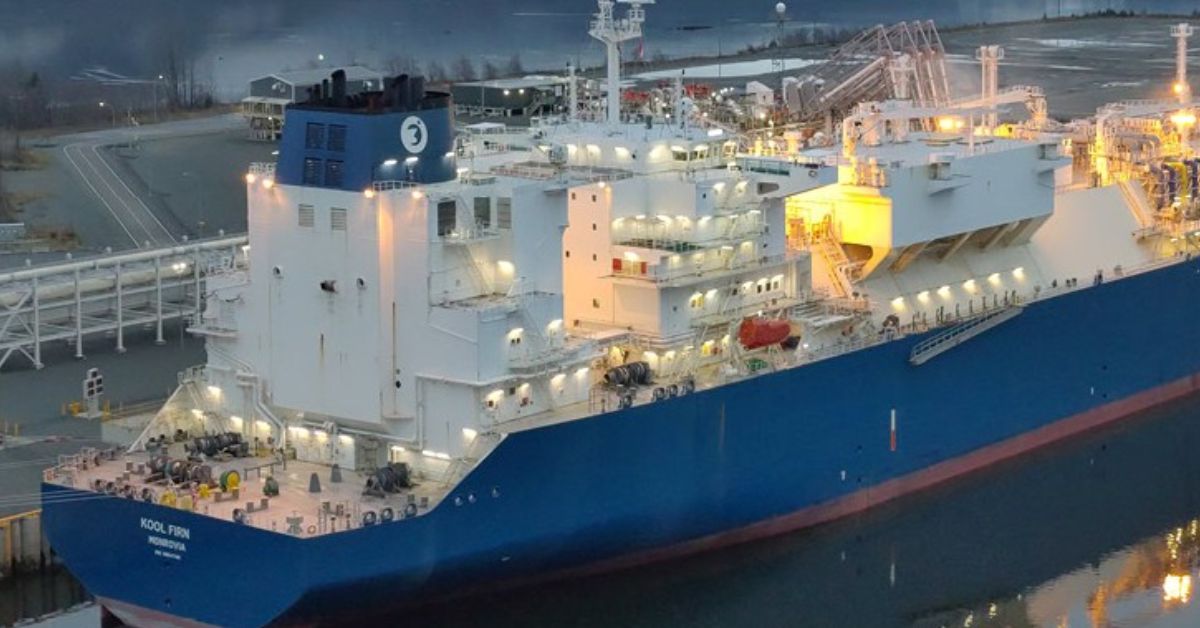
The successful shipment of LNG Canada’s first export cargo marked a historic milestone for the country. The project demonstrated that Canada can compete with major LNG exporters while providing access to natural gas reserves located in Western Canada.
Industry analysts believe that Canada LNG exports will continue expanding because of several key advantages:
- Vast natural gas reserves
- Strategic Pacific Coast access
- Shorter shipping routes to Asian markets
- Strong environmental standards
- Growing international demand for LNG
These advantages have made Canada an increasingly attractive destination for global energy investment.
LNG Canada Expansion Could Double Export Capacity
One of the most important developments for Canada LNG exports is the proposed LNG Canada Phase 2 expansion at Kitimat, British Columbia.
The existing LNG Canada project has already established itself as one of the country’s most significant energy infrastructure investments. However, a Phase 2 expansion could dramatically increase Canada’s LNG export capacity.
Industry experts expect a final investment decision on LNG Canada expansion in the near future. If approved, the project would double production capacity to approximately 28 million tonnes annually.
Such an expansion would strengthen Canada’s position in global LNG markets and provide additional opportunities for natural gas producers across Western Canada.
Supporters argue that LNG Canada expansion could generate thousands of jobs during construction while creating long-term economic benefits for local communities and Indigenous partners.
Ksi Lisims LNG Emerging as a Major Opportunity
Another project drawing significant attention is the proposed Ksi Lisims LNG facility in northern British Columbia.
The Ksi Lisims LNG project, backed by the Nisga’a Nation and industry partners, is expected to produce approximately 12 million tonnes of LNG annually if completed.
Energy analysts view Ksi Lisims LNG as one of the most important proposed developments in Canada’s LNG future.
The project represents a growing trend of Indigenous participation and leadership within Canada’s resource sector. Supporters believe Ksi Lisims LNG could create economic opportunities while strengthening Indigenous involvement in major infrastructure projects.
Combined with LNG Canada expansion, Ksi Lisims LNG could significantly increase Canada’s export capacity over the next decade.
Could Canada Support Six More LNG Canada-Sized Projects?
Perhaps the most striking prediction comes from energy intelligence experts who believe Canada may have room for multiple large-scale LNG developments.
Industry leaders speaking at business events in British Columbia suggested that Canada could potentially support six additional LNG Canada-sized projects.
Such growth would represent a dramatic transformation of Canada’s energy sector.
If several new LNG projects move forward, Canada could become one of the world’s leading LNG exporters. This would generate billions of dollars in investment, increase government revenues, and support economic growth across multiple provinces.
Supporters argue that strong global demand creates a unique opportunity for Canada to establish itself as a long-term supplier of natural gas to international markets.
Global LNG Demand Continues to Rise
The future of Canada LNG exports is closely tied to rising global demand.
Industry forecasts suggest worldwide LNG consumption could increase substantially by 2035. Energy companies and market analysts predict that demand may reach nearly 700 million tonnes annually over the next decade.
Asia remains the primary growth market.
Countries throughout the region continue investing in LNG import terminals and infrastructure as they seek reliable energy sources to support economic growth.
Growing LNG demand in Asia is one of the main reasons investors remain interested in Canada LNG exports. Canada’s Pacific Coast location provides efficient access to key markets including Japan, South Korea, China, and other Asian economies.
Industry observers also note that Europe continues searching for diversified energy supplies, creating additional opportunities for Canadian LNG exports.
Quebec Shows Signs of Reconsidering LNG Projects
One of the most significant political developments involves Quebec.
For years, LNG projects faced strong opposition within the province. However, recent developments suggest attitudes may be changing.
The Quebec National Assembly recently rejected a proposal that would have blocked a natural gas pipeline and LNG development promoted by Marinevest Energy.
The decision has generated new discussion about the province’s role in Canada’s future LNG industry.
Premier François Legault indicated that future LNG proposals would be evaluated based on their economic benefits for Quebecers.
The comments are notable because Quebec previously canceled the GNL Québec project in Saguenay in 2021.
Now, some economic organizations argue that LNG infrastructure should be reconsidered as part of broader efforts to strengthen economic growth and energy exports.
Economic Benefits Driving LNG Industry Support
Supporters of Canada LNG exports point to substantial economic opportunities.
One of the most important factors is the significant difference between domestic natural gas prices and international LNG prices. Exporting Canadian natural gas to overseas markets can generate much higher returns for producers and investors.
Potential benefits include:
- Thousands of construction jobs
- Long-term operational employment
- Increased government revenues
- Indigenous economic partnerships
- Infrastructure development
- Increased investment in Western Canada
- Enhanced export earnings
Industry leaders argue that expanding Canada LNG exports could strengthen the country’s economy while helping global energy consumers access reliable supplies.
Environmental and Regulatory Challenges Remain
Despite strong growth prospects, Canada LNG exports still face important challenges.
Project developers must navigate complex regulatory requirements, environmental assessments, and approval processes.
Competition is also increasing.
Major LNG exporters including the United States, Qatar, and Australia continue expanding production capacity. This means Canadian projects must remain competitive in terms of costs, efficiency, and delivery timelines.
Geopolitical uncertainty also remains a concern for global energy markets.
Changes in trade policies, international conflicts, and shifting energy strategies could influence future LNG demand and investment decisions.
Environmental groups continue raising concerns about greenhouse gas emissions and long-term fossil fuel development, ensuring that LNG projects remain at the center of ongoing policy debates.
Canada LNG Exports Could Reshape the Nation’s Energy Future
The coming years may determine whether Canada becomes one of the world’s leading LNG exporters.
Projects such as LNG Canada expansion and Ksi Lisims LNG are expected to play critical roles in shaping the future of Canada LNG exports. At the same time, growing demand from Asia and Europe continues creating opportunities for new investments.
While forecasts vary, industry experts generally agree that Canada’s LNG industry is positioned for significant growth.
If additional projects receive approval and investment decisions move forward, Canada LNG exports could reach new record levels by the early 2030s, helping strengthen the country’s reputation as a major global energy supplier.
For now, investors, governments, Indigenous communities, and energy companies are closely watching developments as Canada LNG exports move into what could become the most important growth phase in the history of the country’s natural gas industry.